The Childhood Trauma-To-Prison Pipeline

From 2023 to 2025, researchers at Human Rights for Kids sent Adverse Childhood Experiences (ACEs) Surveys to nearly 20,000 individuals who were prosecuted and  sentenced as adults for offenses they committed as children.

The more than 2,200 responses from the diverse sample revealed an epidemic of severe childhood trauma and exploitation among children prosecuted as adults in the United States.
This graph shows average ACE scores by race and ethnicity, highlighting disparities in childhood adversity and varying respondent totals across demographic groups surveyed.
diagram showing more than 98% indicated experiencing childhood trauma

More than 98% of respondents indicated experiencing at least one severe childhood trauma, with respondents reporting an average ACE score of 6 or higher.

Childhood Trauma Among Youth Prosecuted as Adults

bar graph showing prevalence of ACE scores percentages of children tried as adults
bar graph showing ACE scores and prevalence for children tried as adults against general population
What’s more, many of these children were victims long before they were ever offenders. Approximately 70% of children prosecuted as adults were emotionally and physically abused, while 45% were sexually abused prior to committing their offense.

The prevalence of specific ACEs our individual survey respondents suffered is heart-breaking.

More than 30% reported being a victim of trafficking, and one in ten had someone who had previously abused or trafficked them directly involved in their offense, whether as a victim or codefendant.

table chart of ACE and prevalence statistics for different types of abuses

READ THE STORIES OF CHILDREN PROSECUTED AS ADULTS

teen boy sleeping in a jail cell
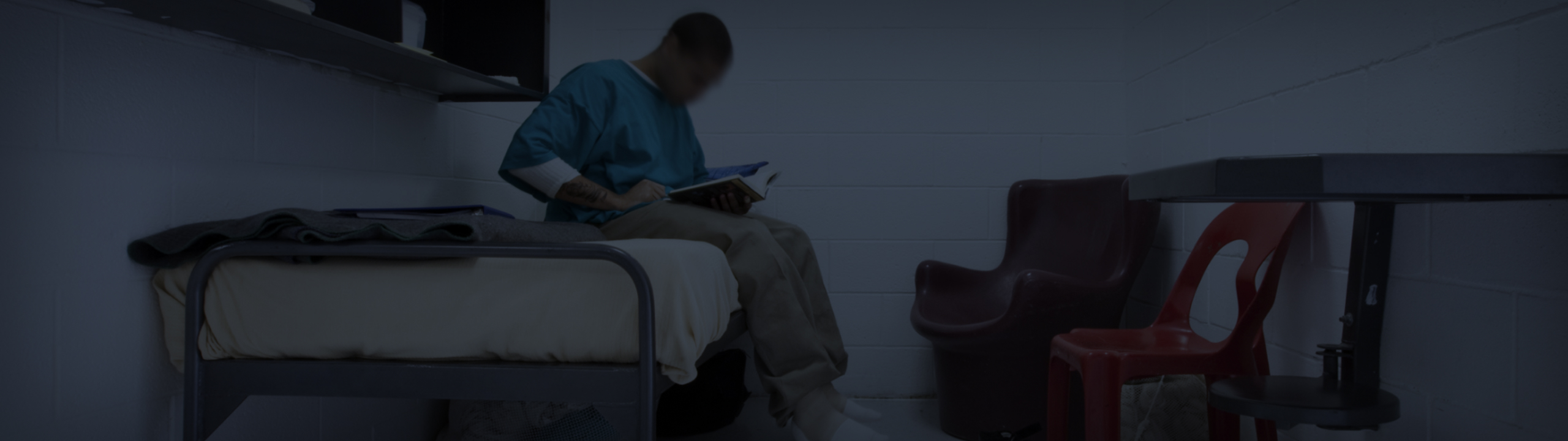
teen boy reading a book in a jail cell
teen boy sitting in an isolation cell
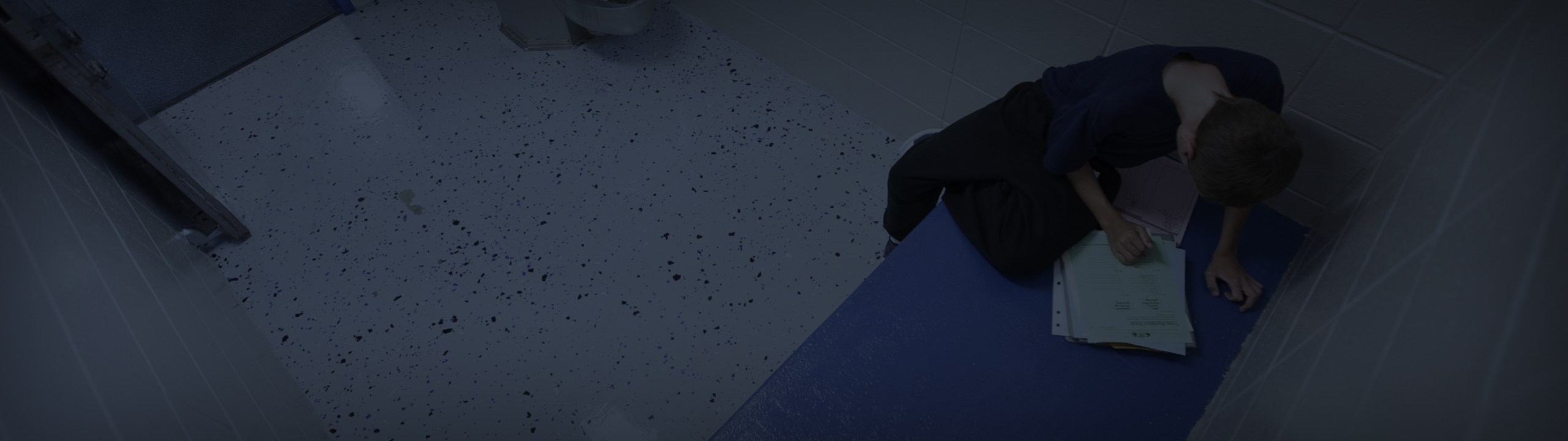
young teen boy doing homework in a cell
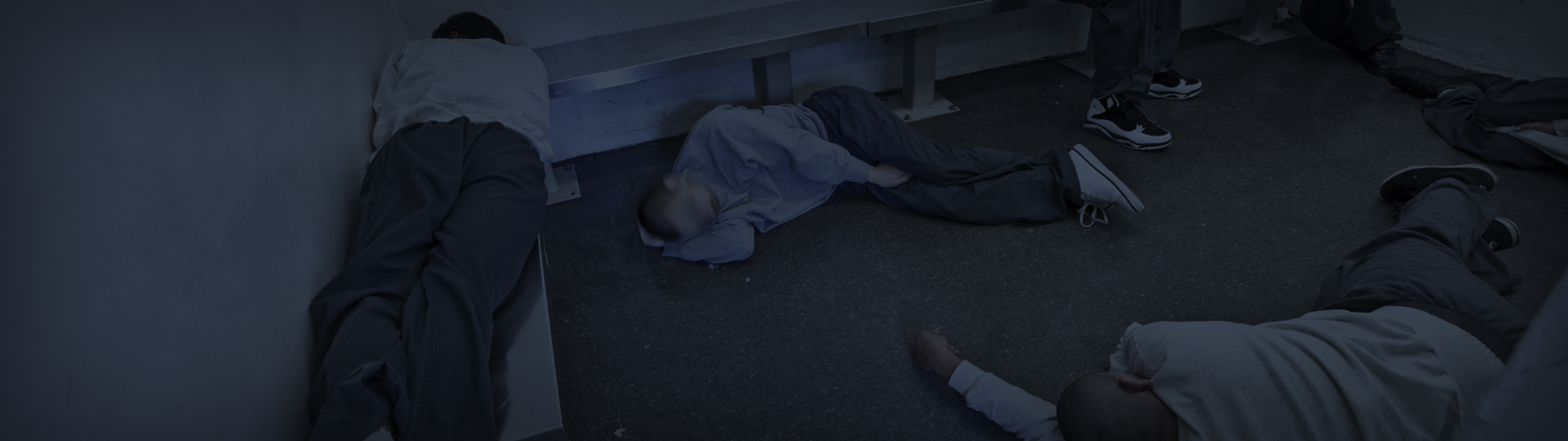
many young teen boys sleeping on the floor and on benches in a holding cell
teen boy sleeping in a jail cell

“[I]f ever a pathological background might have contributed to a 14–year old’s commission of a crime, it is here. Miller’s stepfather physically abused him; his alcoholic and drug-addicted mother neglected him; he had been in and out of foster care as a result; and he had tried to kill himself four times, the first when he should have been in kindergarten.”

teen boy reading a book in a jail cell

“Since I was four years old, I’ve been abused. Mentally, physically, emotionally, and sexually. My mother had severe mental health problems, and my father was a drug addict. I was burned over my heart, and did six months in a coma at the age of four.”

teen boy sitting in an isolation cell

“One of my earliest memories was from being abandoned in a GA pine forest by my mother when I was very young. Many hours later, maybe 10 to 12 hours, she came back for me, but that was only due to pressure from my step-dad.”

young teen boy doing homework in a cell

“Though I know my grandparents loved me, the home lacked the companionship needed. It did not help that once my mother joined us in California, her addiction forced me to witness her prostitute herself to some of my friends’ fathers and older brothers.”

many young teen boys sleeping on the floor and on benches in a holding cell

“From 12ish on I needed drugs to escape my demons. By that time, I’d seen multiple men murdered. I had emotional pain. Throbbing physical pain. The threat of death because of that scary word people threw around my name, cancer. And the ever present threat of being beaten or abandoned by the person I loved most in the world, my mother. Sometimes I feel she was taking all the hurt [my father] caused her on me because I do look like him.”

1

80% of children prosecuted as adults were held in adult correctional facilities while as minors.

2

75% of children prosecuted as adults were abused by older adult prisoners with 88% experiencing physical abuse, 57% experiencing emotional abuse, and 15% experiencing sexual abuse.

3

80% of children prosecuted as adults were placed in solitary confinement where their longest average stay was just shy of 1 year.

4

27.55% reported being forced to commit a criminal offense by someone else.

5

Only 9.89% had their trauma histories meaningfully considered by the court during their transfer and sentencing proceedings.

child's hands holding onto a metal fence

LISTEN TO THE STORIES OF THOSE STILL INCARCERATED

young boy looking out a jail cell window and the sun coming through

Unfortunately, the trauma histories of children prosecuted as adults are largely ignored by the criminal justice system, which further harms and brutalizes them during their incarceration.

Incidents of physical, emotional, or sexual abuse by older adult prisoners were commonly reported, as was being placed in solitary confinement. The rampant human rights violations experienced by children prosecuted as adults are sadly a feature, not a bug, of the American criminal justice system.

Our most vulnerable children deserve better than this. If we truly care about child victims of abuse, neglect and human trafficking, we must also care about the  children in the criminal justice system.

Because they are the same kids.