See Our Impact
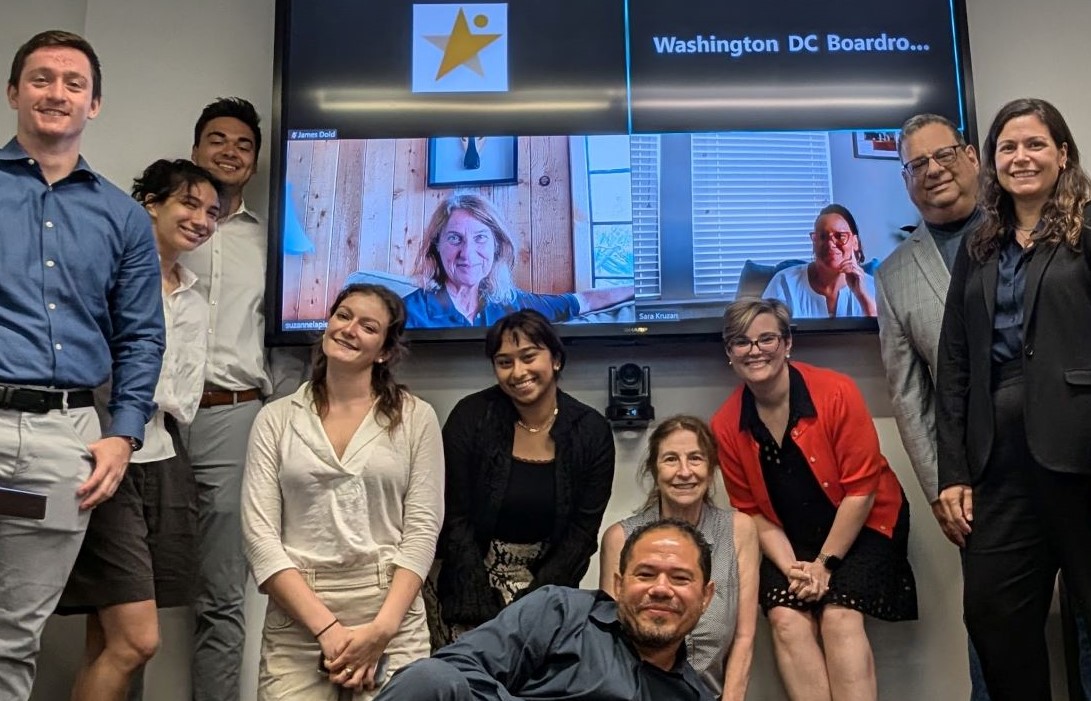
We founded Human Rights for Kids to make a real difference. Whether it’s introducing bills or changing perspectives, our team works each day to ensure a more fair future for children. Take a look at what we’ve accomplished.

Human Rights for Kids was founded on a simple principle: children are different from adults, and our laws should treat them that way.
We turn that principle into action.
Across the country, HRFK works alongside survivors, formerly incarcerated people, lawmakers, attorneys, advocates, and communities to transform the way the United States responds to children who come into conflict with the law—particularly children who have experienced abuse, trafficking, violence, neglect, and other forms of childhood trauma.
Our work does not stop with raising awareness. We change laws. We challenge unjust practices in court. We produce groundbreaking research. We organize people directly impacted by the justice system. And we help turn the experiences of children and survivors into lasting systemic reform.
Since our founding, HRFK has worked in all 50 states and before the United States Congress. Our advocacy has helped introduce more than 100 child rights bills and enact 30 new laws protecting children. We have filed 13 amicus briefs, published major national research documenting the treatment and experiences of children in the justice system, and brought evidence of human rights violations against children in the United States before the United Nations.
Behind every number is a person whose life can be changed when the law finally recognizes that children deserve protection, dignity, rehabilitation, and the opportunity to come home.
Child rights bills introduced
HRFK has helped develop and advance legislation across the country to bring American law into greater alignment with established principles of child development, trauma science, and human rights.
New laws enacted
Our advocacy has helped states adopt new protections governing the prosecution, sentencing, incarceration, interrogation, and treatment of children in the justice system.
A truly national reach
HRFK has engaged policymakers and advocates in every state and at the federal level to advance a more humane approach to children in conflict with the law.
Amicus briefs filed
We use strategic litigation to help courts understand childhood development, trauma, victimization, and the constitutional and human rights principles that should govern the treatment of children.
Major reports and publications
Our research documents the experiences of children in the justice system and gives lawmakers, courts, advocates, journalists, and communities the evidence they need to drive reform.
Reports submitted to the United Nations
HRFK has taken evidence of the treatment of children in the United States directly to international human rights bodies, helping hold our country accountable to global human rights standards.
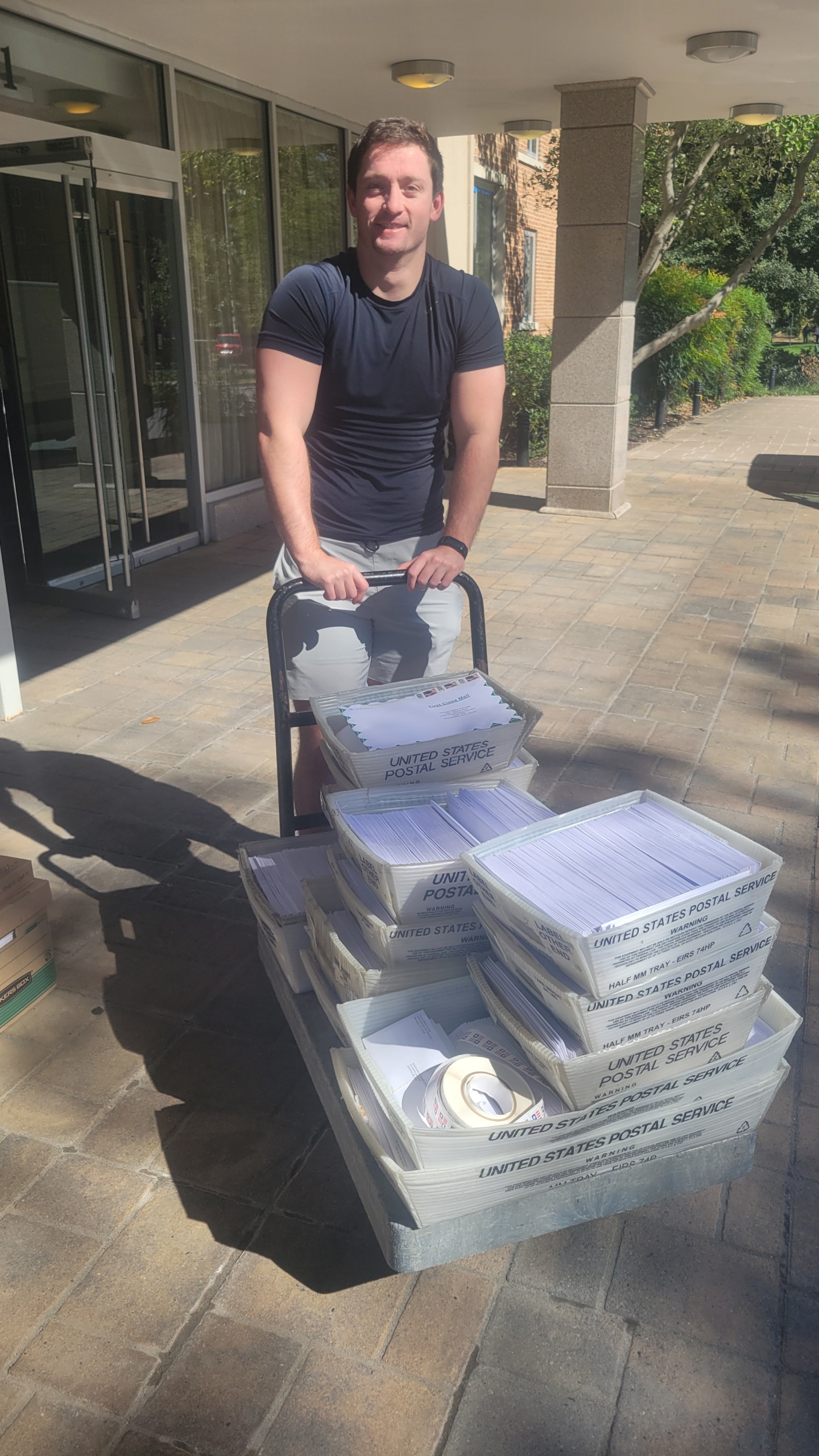
Letters and newsletters distributed to people incarcerated since childhood
We work to ensure that people most directly impacted by these systems have access to information about policy developments, opportunities for advocacy, and the national movement for reform.
Currently and formerly incarcerated people in our national network
Their experiences and expertise help inform our research, policy priorities, advocacy, and vision for reform.
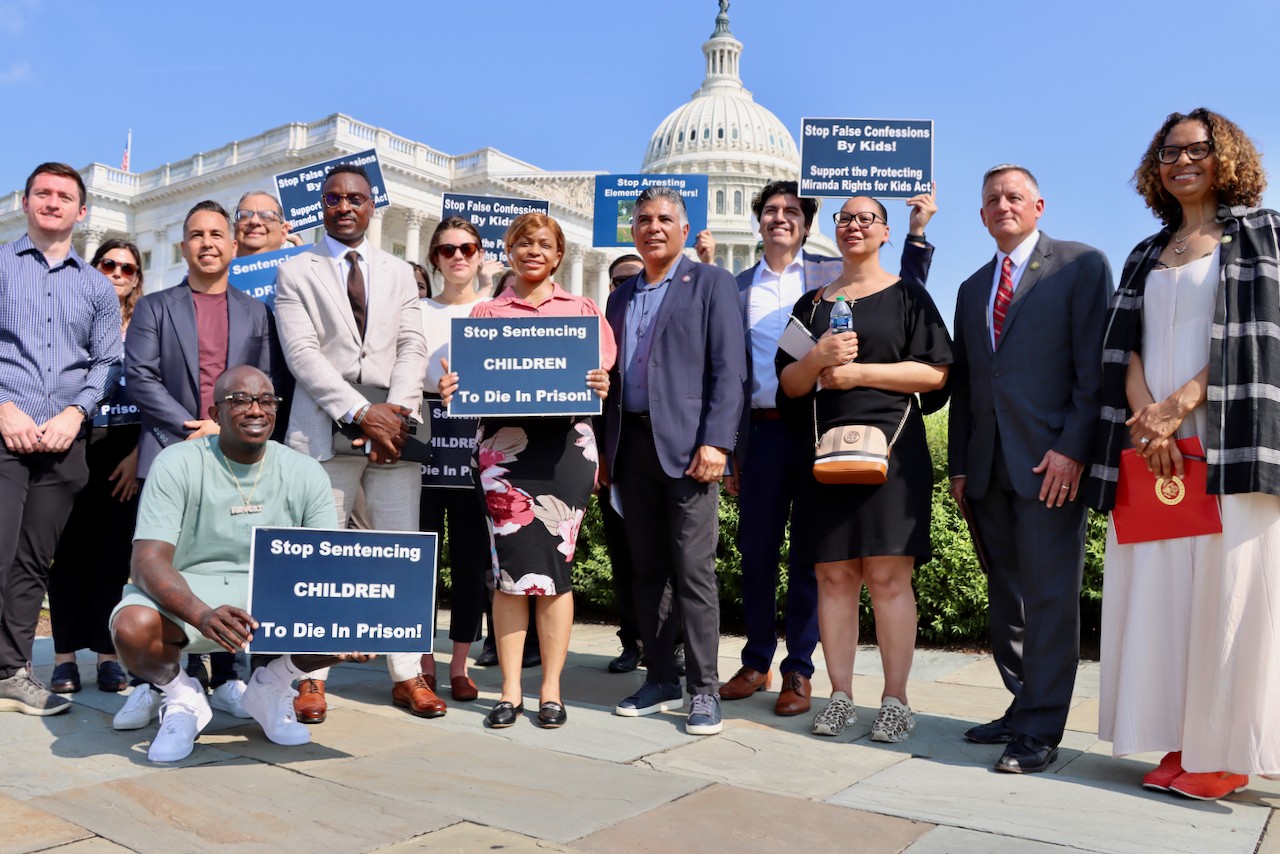
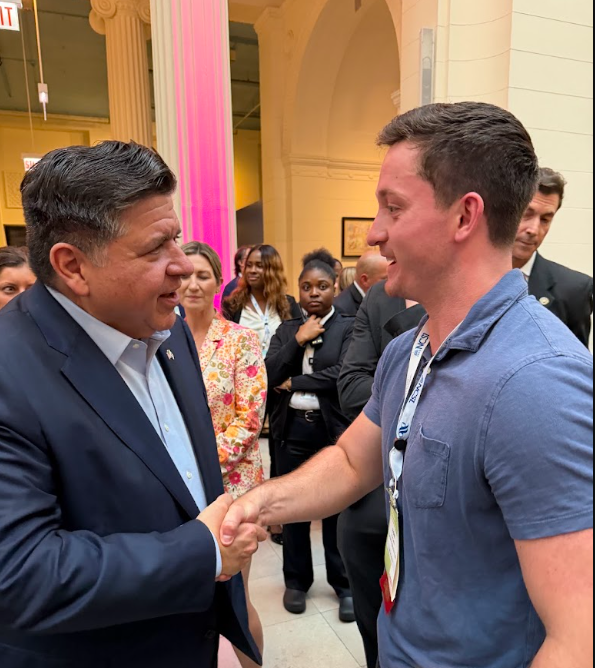
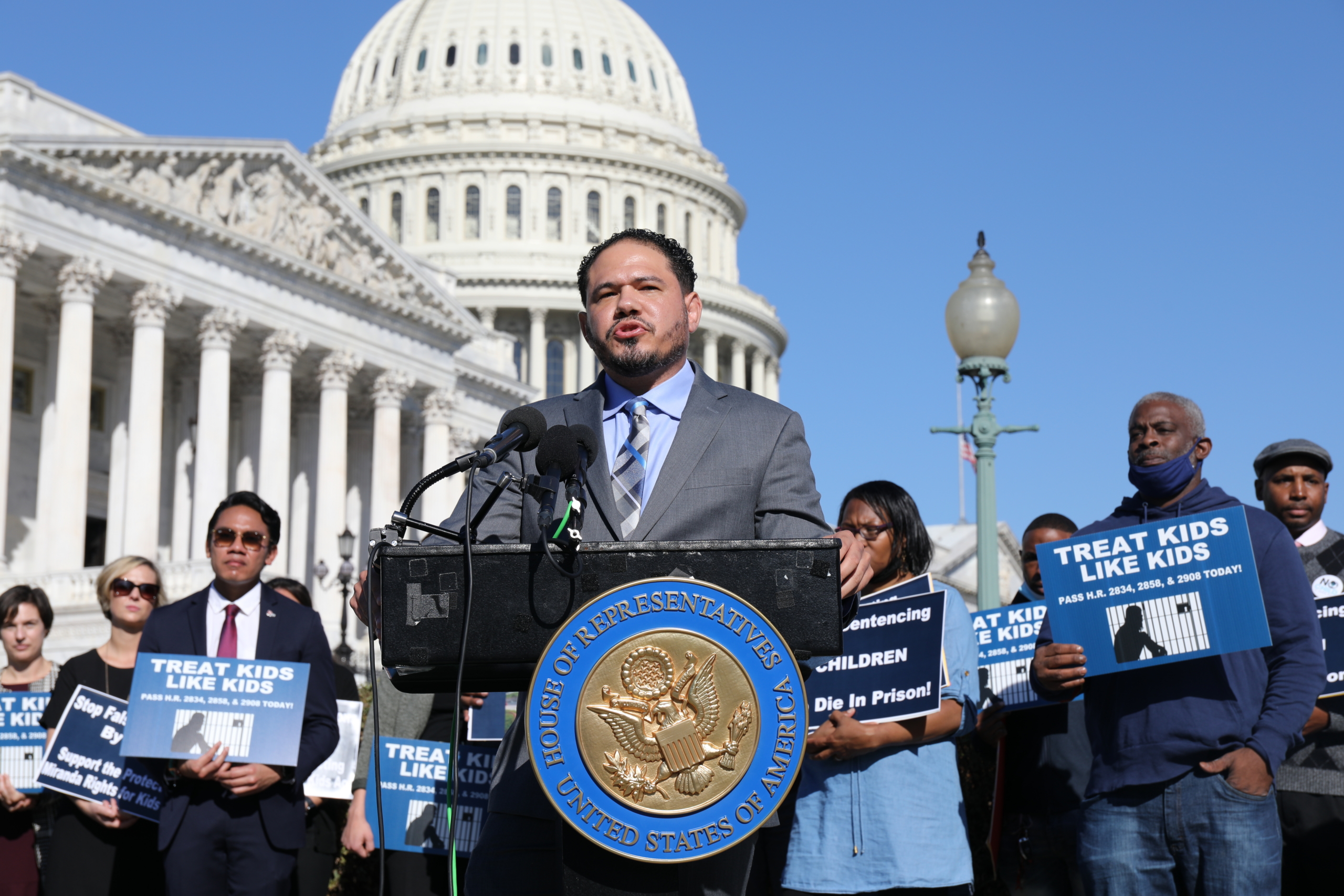
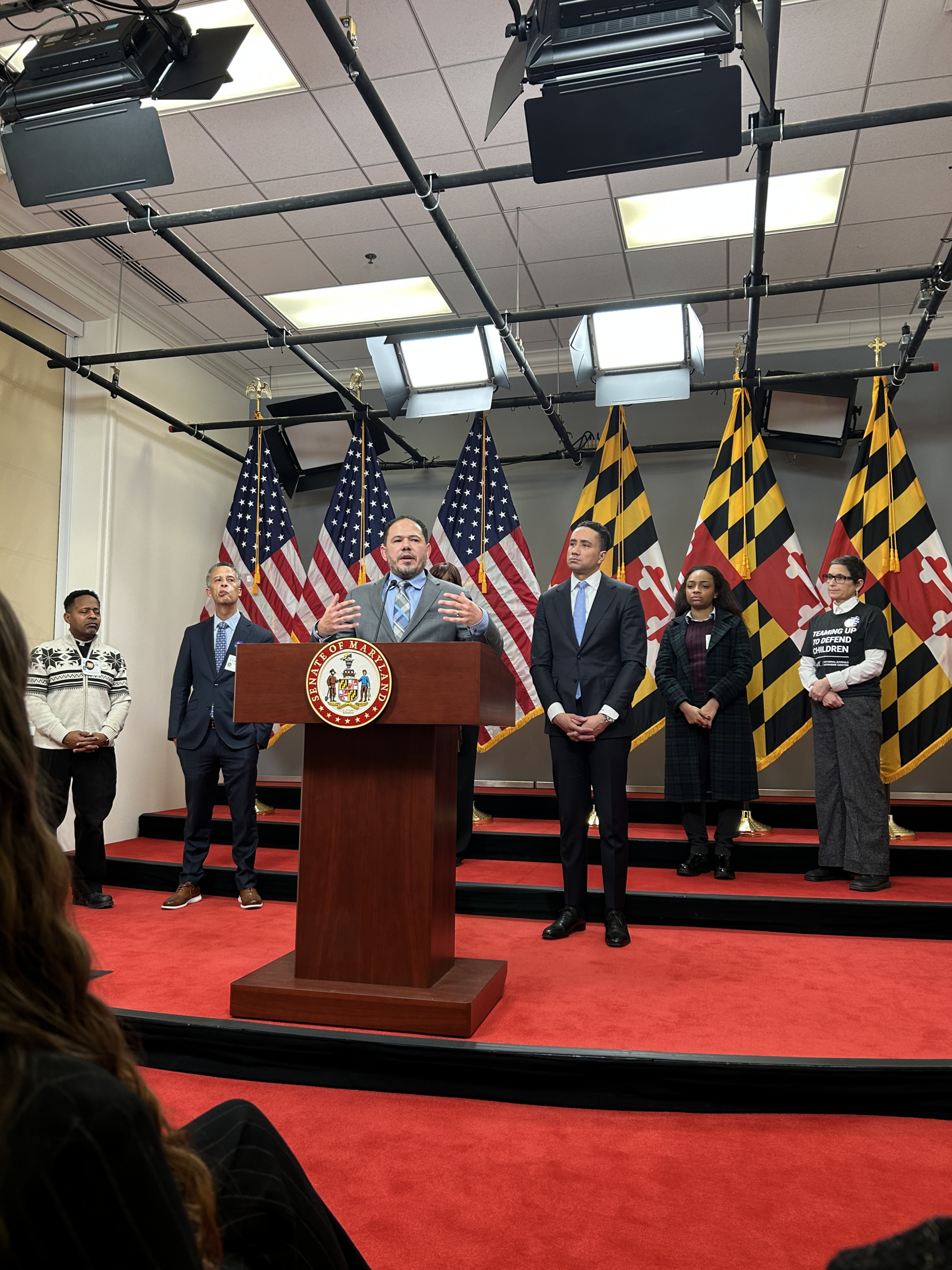
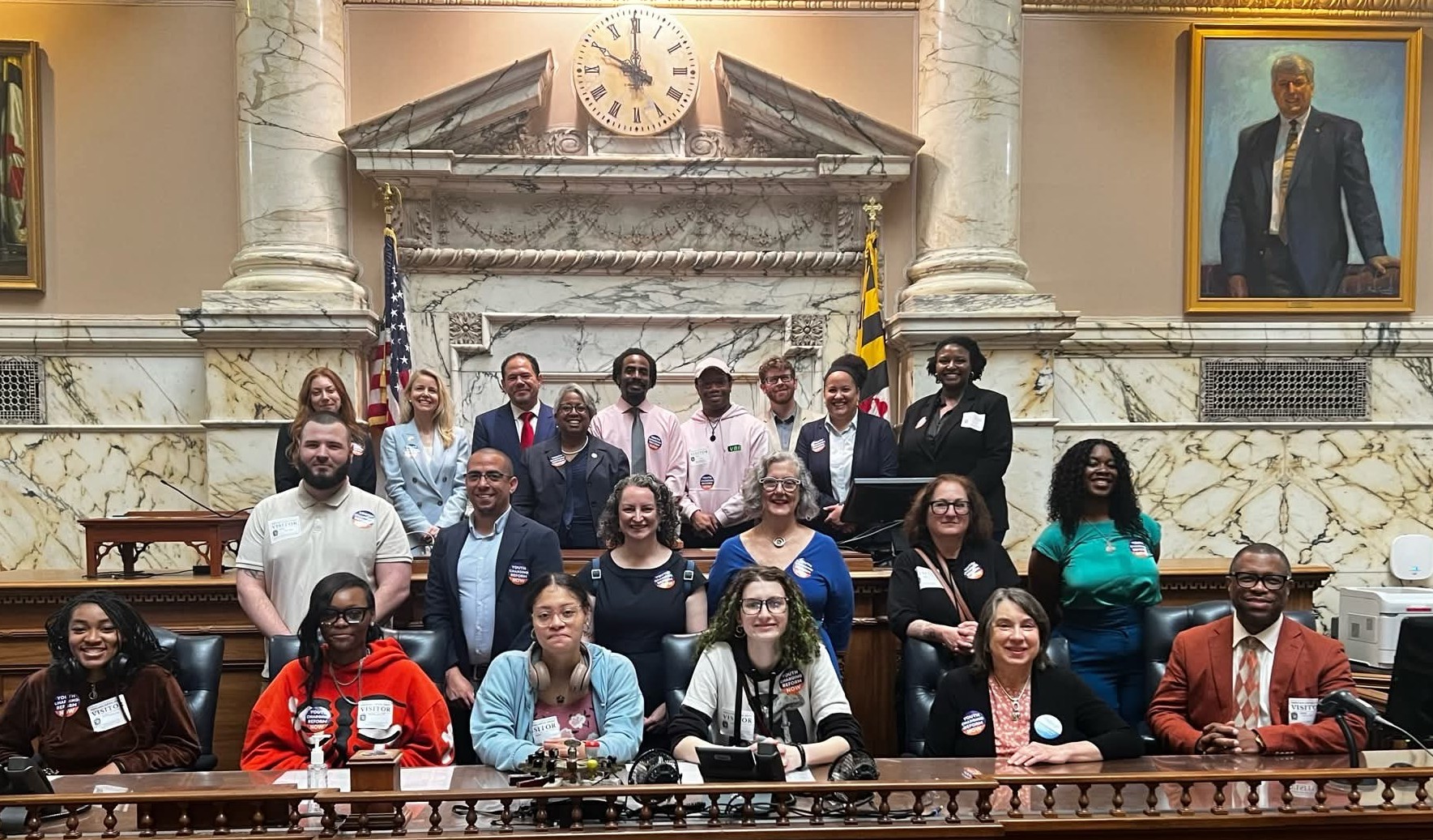
Human Rights for Kids works with Republican and Democratic lawmakers, survivors, formerly incarcerated people, advocates, attorneys, and community partners across the country to transform the way our laws treat children.
Our approach is comprehensive. We identify gaps in state law, develop model policies, draft legislation, educate policymakers, provide expert testimony, build bipartisan coalitions, mobilize advocates, and work with directly impacted people to turn lived experience and research into lasting legal reform.
Since our founding, our advocacy has helped enact 30 new laws protecting the human rights of children. These victories demonstrate that protecting children is not a partisan issue—it is a human rights issue.
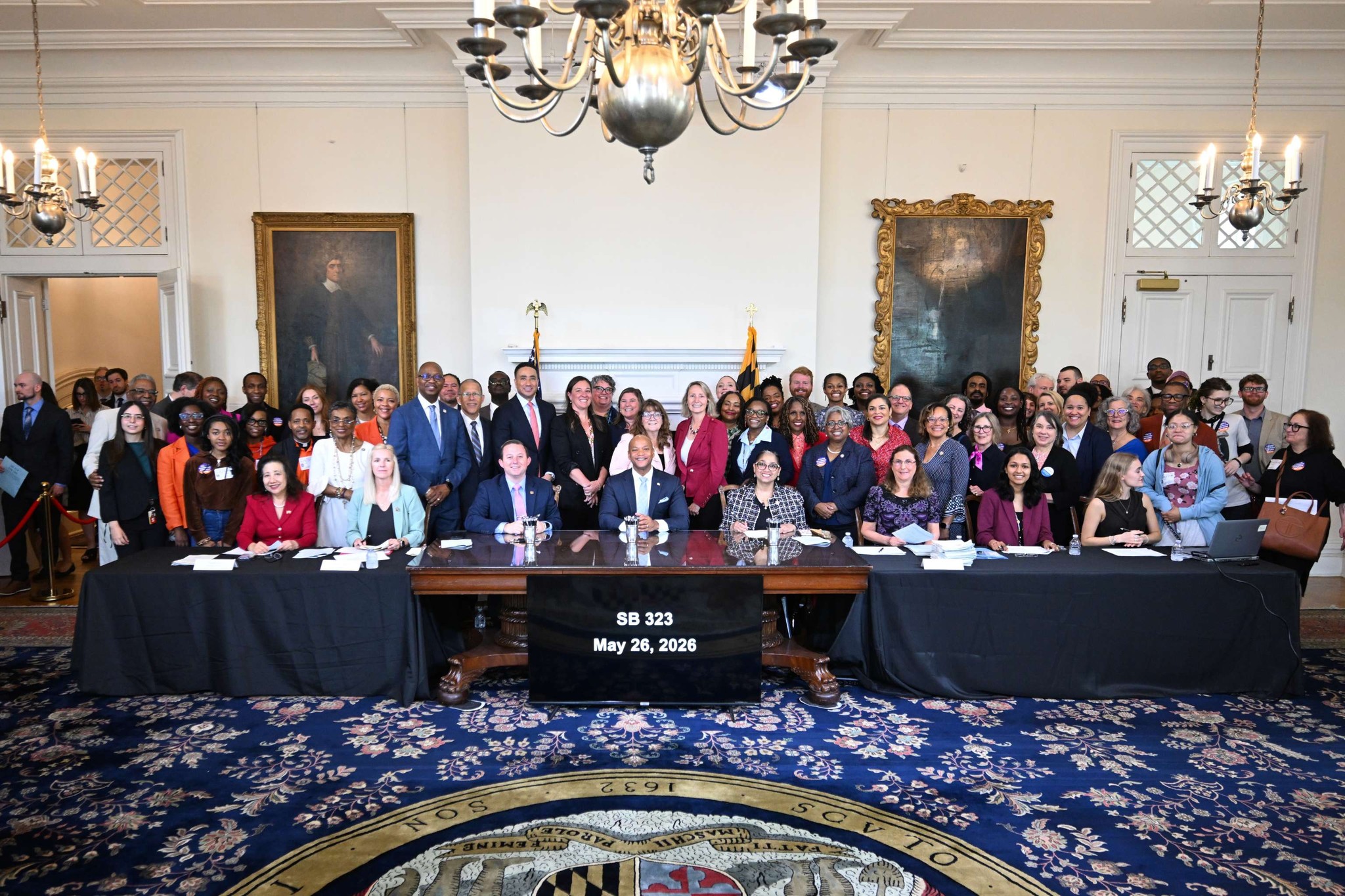
Maryland has undergone one of the most significant transformations of any state in which HRFK has worked.
In 2022, HRFK helped secure passage of landmark protections for children during police interrogations, ensuring that children have access to legal counsel before waiving critical constitutional rights.
We continued building on that victory by working to reform Maryland’s extraordinarily broad system of automatically charging children as adults.
In 2026, that work resulted in another historic victory with enactment of the Youth Charging Reform Act (SB 323).
The law significantly reduces the circumstances under which children are automatically prosecuted in adult court, including removing first-degree assault and several firearm offenses from Maryland’s automatic charging statute. The reform also strengthens protections designed to keep children out of adult jails while their cases are pending.
For hundreds of Maryland children each year, these changes can mean the difference between beginning a case in an adult criminal courtroom and receiving the protections, services, education, and rehabilitative opportunities of the juvenile justice system.
Maryland’s progress demonstrates that even states with deeply entrenched systems for treating children as adults can change.
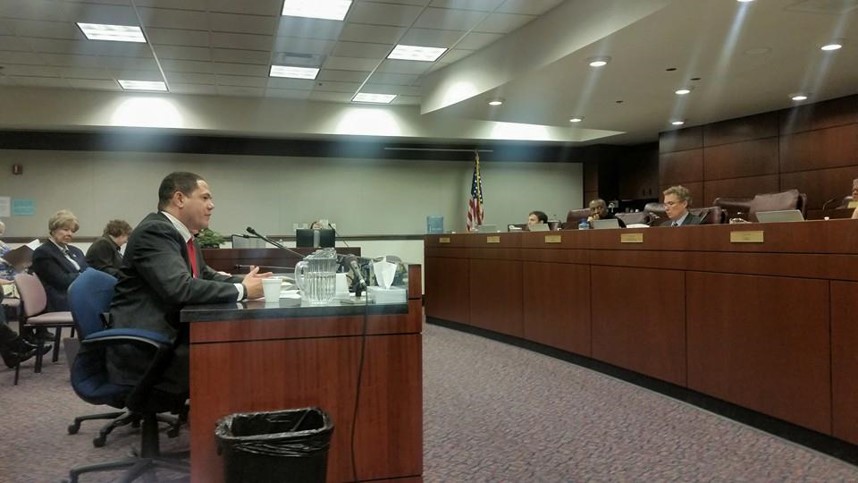
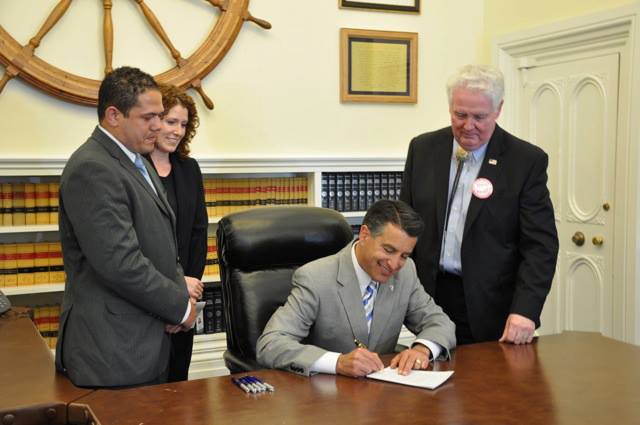
Nevada was among the first states where HRFK helped demonstrate that bipartisan reform could fundamentally change the way children are treated in the criminal justice system.
HRFK helped advance legislation providing greater sentencing protections for children prosecuted as adults and creating opportunities for young people to seek relief through the pardon process.
HRFK also helped advance protections for children who experience human trafficking, strengthening the state’s recognition that exploited children should be treated as victims rather than criminals.
Together, these reforms helped establish many of the principles that would later become central to HRFK’s national policy agenda: individualized sentencing, recognition of childhood trauma and victimization, and meaningful opportunities for redemption.
In 2023, Illinois joined California and Oklahoma in enacting HRFK’s Child Sex Crimes Victims Protection Act.
The reform helps ensure that children who experience sexual abuse, trafficking, and exploitation—and later commit offenses against their abusers—are not subjected to the same extreme punishments as adults without meaningful consideration of their victimization.
The law represents an important shift in how the justice system understands children who have survived violence: from asking only what the child did to also asking what happened to the child.
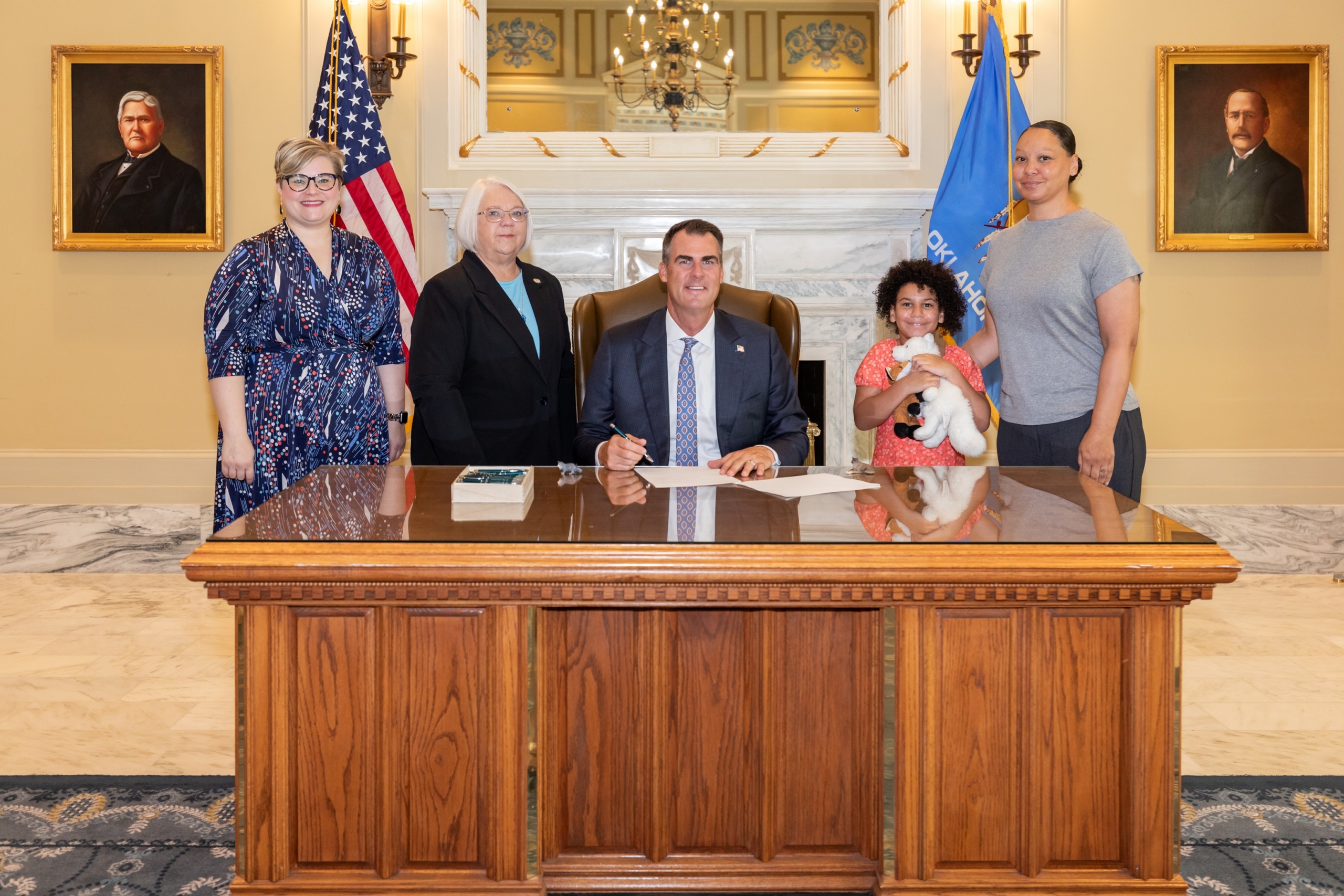
Oklahoma became another national leader in protecting criminalized survivors when lawmakers enacted HB 2210 in 2023.
Based on HRFK’s model Child Sex Crimes Victims Protection Act, the legislation helps protect survivors of childhood trafficking and abuse who commit offenses against their abusers from extreme punishment in adult court.
The reform grew from the experiences of survivors and reflects one of HRFK’s central principles: children whom adults have abused and exploited deserve protection, treatment, and an opportunity to heal—not a lifetime of punishment.
Arkansas was home to one of HRFK’s earliest legislative victories.
HRFK developed and successfully helped enact SB 573, establishing important protections for people incarcerated for crimes committed as children, including access to educational and rehabilitative programming.
HRFK later helped enact Act 821, creating a pathway for people who were incarcerated as children to earn early discharge from parole and restore their voting rights.
These reforms recognize a fundamental principle of youth justice: a mistake made during childhood should not result in a lifetime of punishment.
Virginia has become one of HRFK’s most significant examples of sustained legislative reform.
In 2020, HRFK successfully helped enact HB 744 and HB 746, creating groundbreaking protections for children in the criminal justice system.
HB 744 made Virginia the first state in the nation to give judges discretion to depart from any mandatory minimum sentence when sentencing a child in adult court and required judges to consider a child’s exposure to Adverse Childhood Experiences before sentencing.
HB 746 strengthened children’s rights during custodial interrogations by requiring notification of a parent, guardian, or legal custodian following a child’s arrest and requiring children to have contact with them before interrogation.
In 2024, HRFK returned to Virginia and helped secure two additional victories. HB 268 strengthened protections for children who are survivors of trafficking and abuse, while HB 266 strengthened enforcement of protections for children during custodial interrogation.
And our work in Virginia continues. In 2026, lawmakers enacted additional HRFK-backed reforms establishing greater protections around the minimum age of prosecution and children’s constitutional rights during police interrogations.
Virginia demonstrates what is possible when reform is sustained over time: rather than changing a single law, we are helping states build an entirely different legal framework for treating children.
In 2023, HRFK successfully advocated for passage of SB 545, landmark legislation protecting child victims of human trafficking and abuse who are prosecuted for offenses committed against their abusers.
The law recognizes a reality that the criminal justice system has too often ignored: some children prosecuted for serious offenses are themselves survivors of extraordinary violence, exploitation, and trauma.
Under the reform, courts are better able to recognize a child’s history of victimization when determining how that child should be treated by the justice system.
HRFK has continued working to ensure that the promise of the legislation becomes reality by developing implementation resources and educating attorneys about how to use these protections on behalf of survivors.
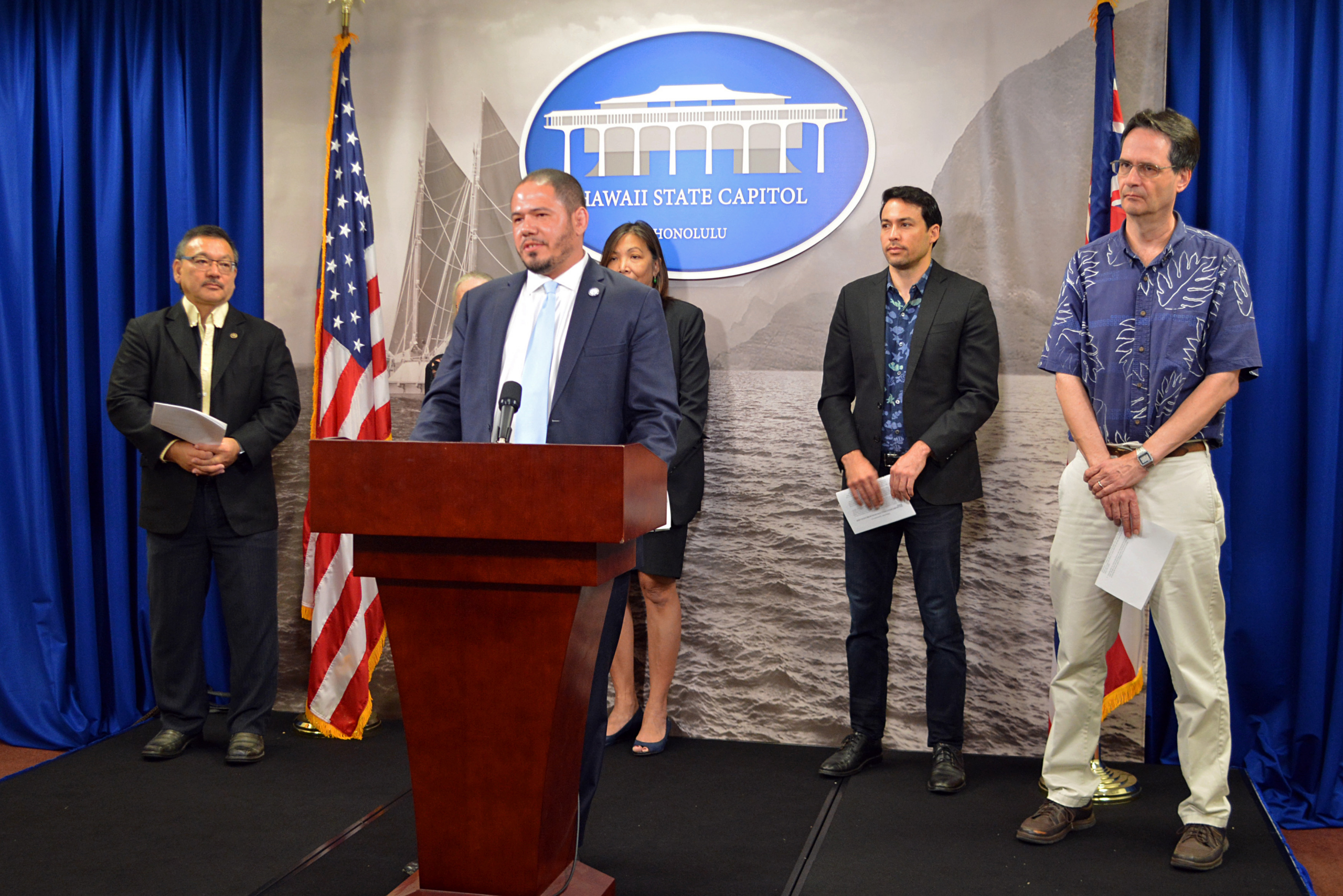
Hawaii has become one of the strongest examples of what comprehensive youth justice reform can accomplish.
HRFK first helped advance the Child Interrogation Protection Act, strengthening protections for children facing custodial interrogation.
HRFK subsequently worked alongside lawmakers, public defenders, advocates, and directly impacted people to advance a broader package of reforms that transformed Hawaii’s legal framework for children.
Those victories have included reforms that end mandatory minimum sentences for children, prohibit the incarceration of children in adult jails and prisons, require judges to consider childhood trauma and life circumstances at sentencing, and establish greater protections around the minimum age at which children can be prosecuted.
The result has been a remarkable transformation. Hawaii rose to the top of HRFK’s national rankings for protecting the human rights of children in the justice system.
Hawaii demonstrates the ultimate goal of our legislative strategy: not simply passing one bill, but helping states construct a comprehensive legal framework that recognizes that children are different, trauma matters, and every young person has the capacity for growth and change.
In 2025, Vermont enacted a major reform establishing 12 as the minimum age for juvenile court prosecution, making the state a national leader in protecting very young children from involvement in the justice system.
HRFK worked directly to advance the reform, providing testimony before the Vermont House Judiciary Committee and urging lawmakers to recognize that young children lack the developmental capacity to be treated as criminally culpable in the same manner as older youth.
The reform reflects a fundamental human rights principle: there must be an age below which a child is simply too young to be prosecuted.
By establishing a minimum age of 12, Vermont joined a small group of states providing this critical protection and took an important step toward ensuring that very young children who engage in harmful behavior are met with services, treatment, and support rather than prosecution.
The victory also represents the culmination of years of HRFK advocacy in Vermont. As early as 2020, HRFK was appearing before the Vermont Legislature to advocate for reforms ending extreme punishments for children.
Vermont’s progress demonstrates how sustained advocacy can move a state from identifying gaps in children’s rights protections to enacting meaningful reform.
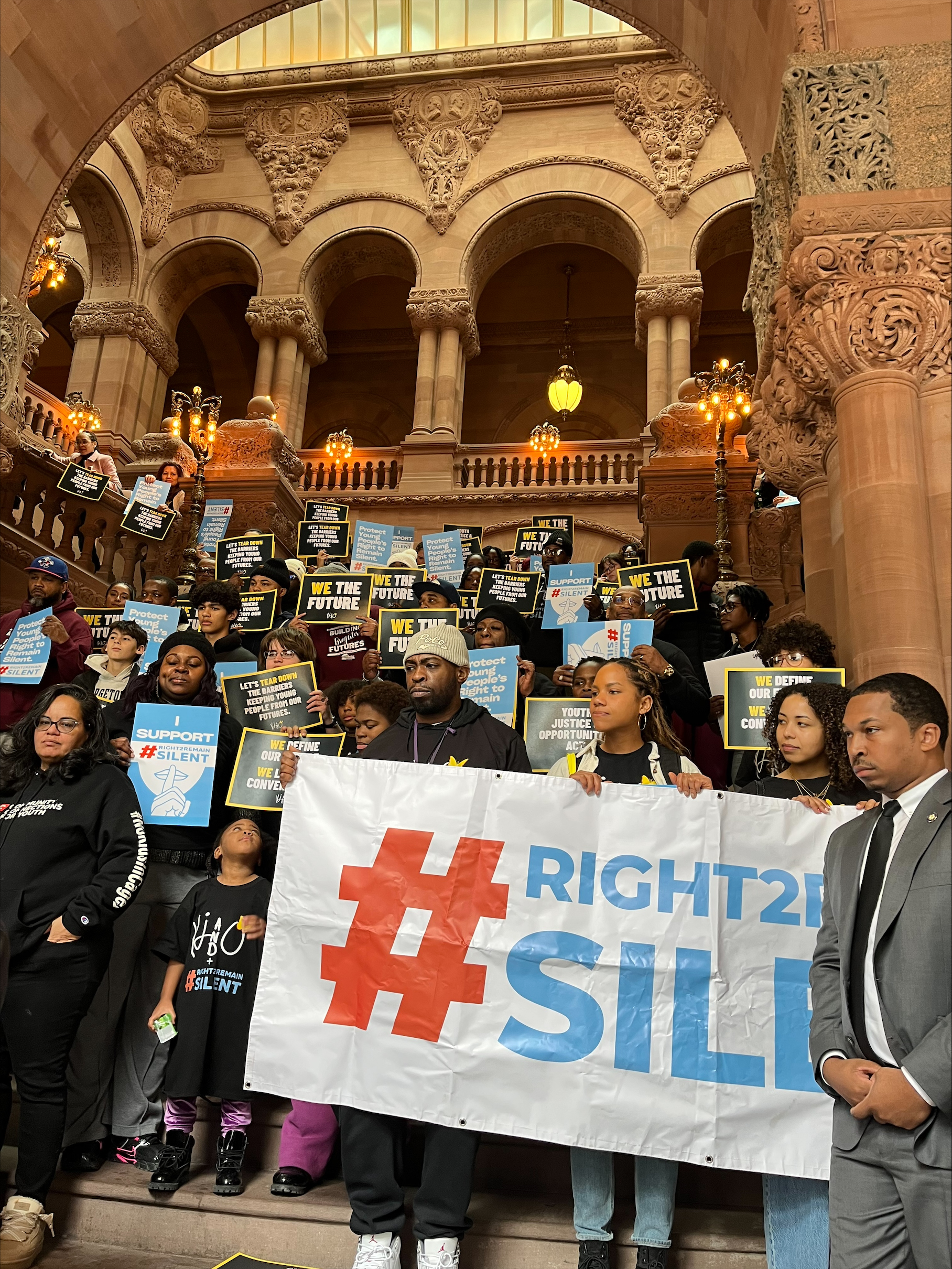
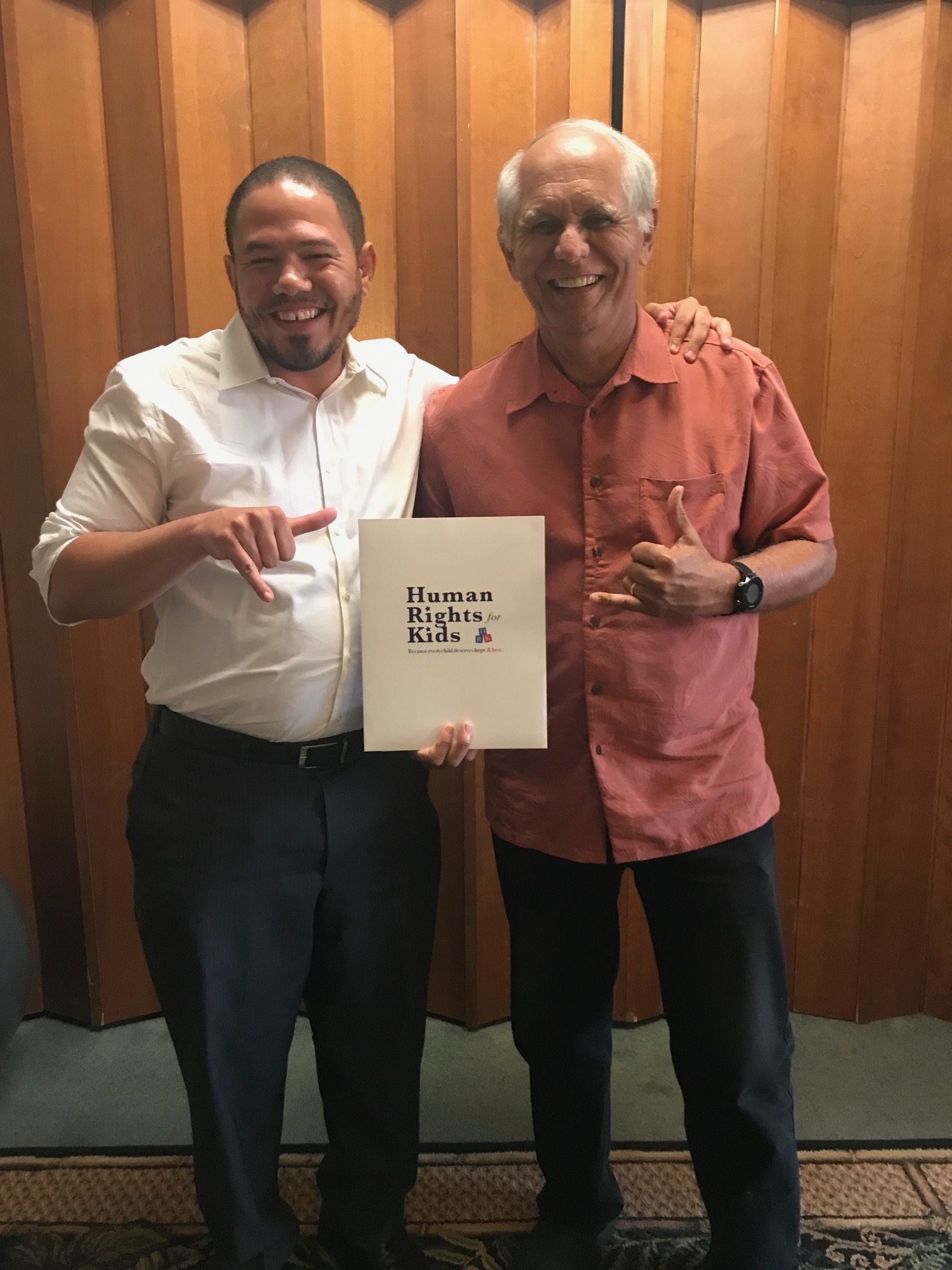
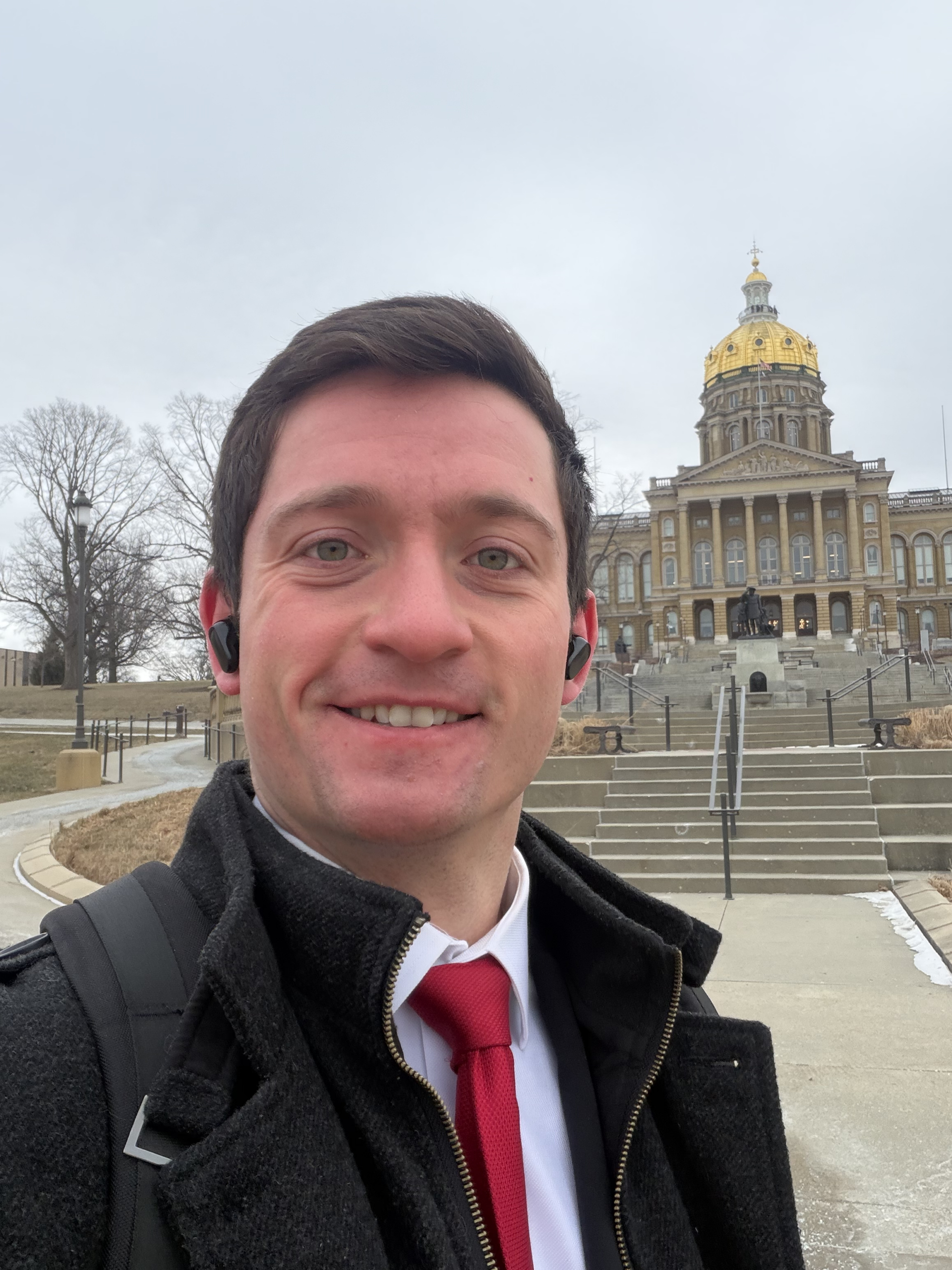
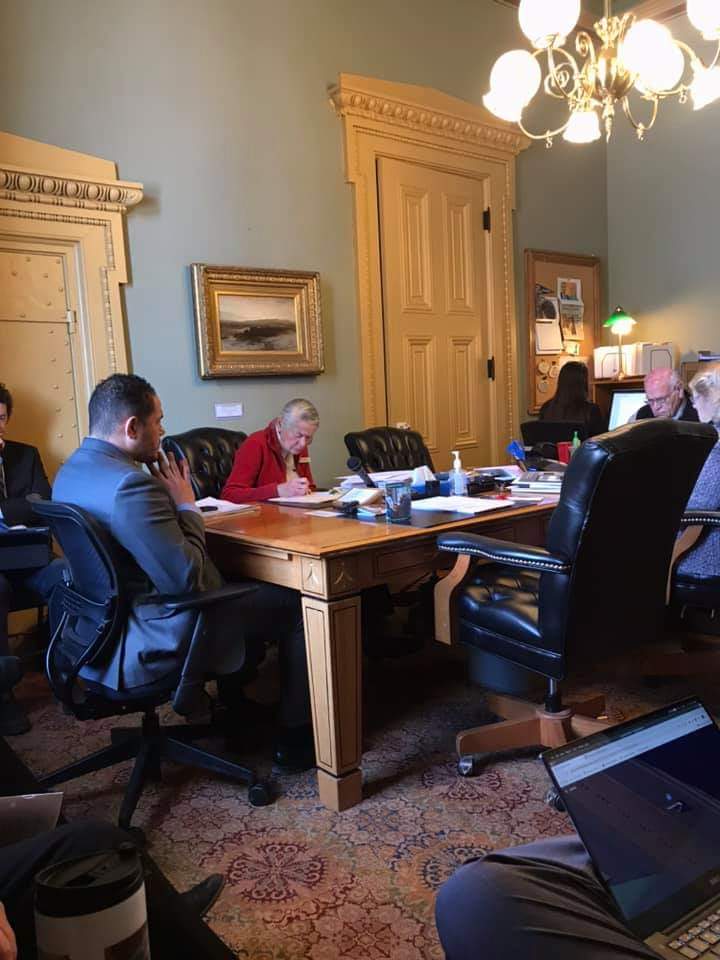
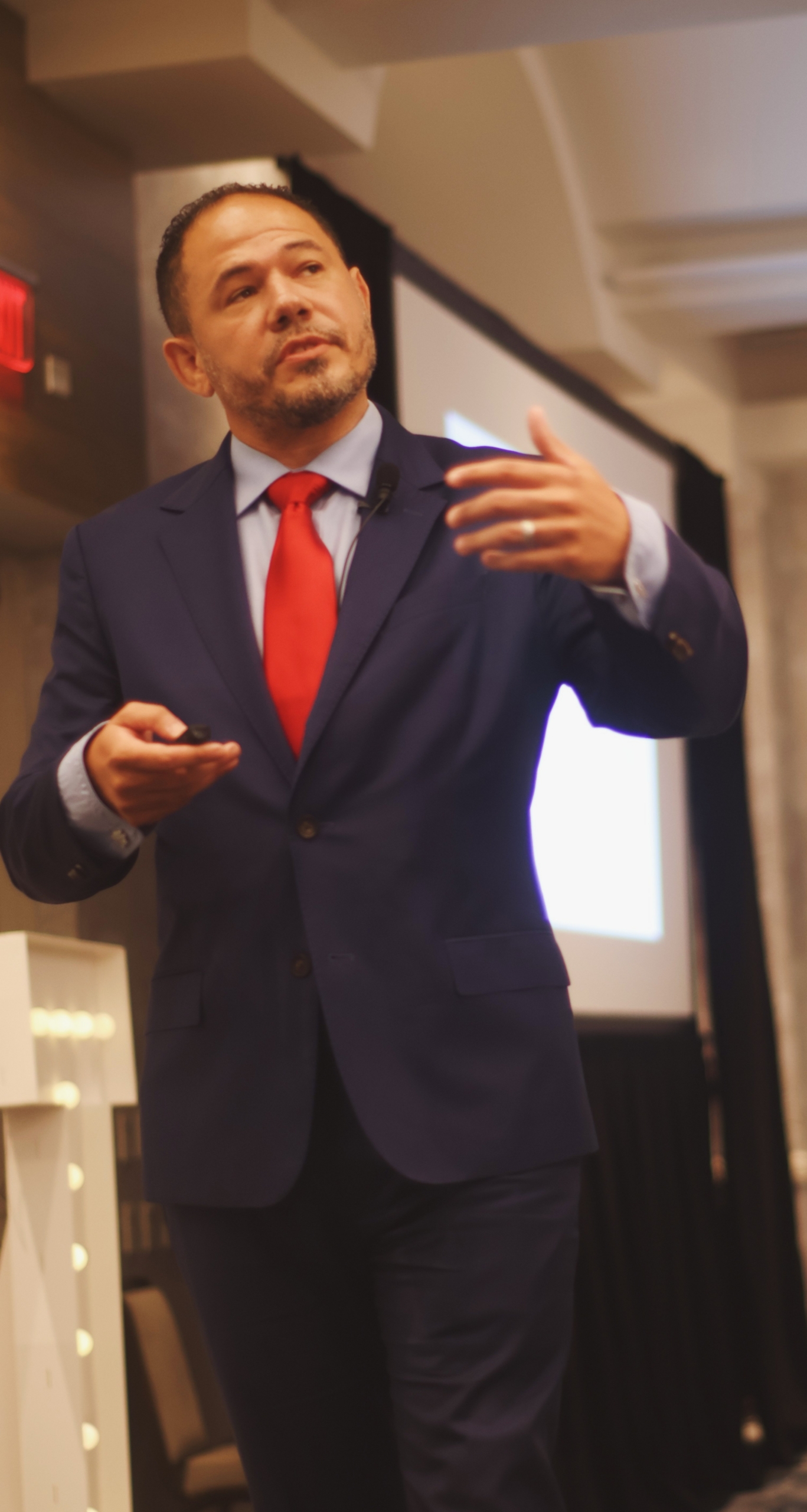
These victories span geographically, politically, and culturally diverse states—from California and Hawaii to Arkansas, Oklahoma, Virginia, and Maryland.
That is intentional.
HRFK was founded on the belief that the human rights of children should transcend partisan politics. We work with lawmakers across the political spectrum because whether a child receives protection, treatment, education, and an opportunity for rehabilitation should never depend on whether that child happens to live in a red state or a blue state.
Each victory also builds momentum for the next.
A sentencing reform pioneered in one state becomes a model for another. A survivor protection enacted in California can be replicated in Virginia. A due-process protection adopted in one legislature can demonstrate to lawmakers thousands of miles away that reform is both practical and possible.
That is how individual legislative victories become national systems change.
Our goal is ultimately much larger than passing individual bills.
We are working to build a new legal framework for childhood in America—one in which every state recognizes that children are developmentally different from adults, childhood trauma matters, victims deserve protection, incarceration should be a last resort, and every child has the capacity for rehabilitation and redemption.
Public policy cannot adequately respond to children in the justice system without understanding what happened to them before they ever entered a courtroom.
That is why research is central to HRFK’s model.
Through national surveys, legal research, state-by-state analysis, direct engagement with incarcerated people, and collaboration with survivors, HRFK documents the childhood experiences hidden behind America’s system of youth incarceration.
Our groundbreaking Childhood Trauma to Prison Pipeline research collected responses from more than 2,000 people incarcerated for crimes committed as children.
The findings reveal a population marked by extraordinary levels of childhood adversity:
98% experienced at least one Adverse Childhood Experience.
More than half experienced between seven and ten ACEs.
Nearly 70% reported experiencing physical abuse.
Nearly 45% reported experiencing sexual abuse.
More than 80% were incarcerated with adults.
Yet for only a small fraction was childhood trauma meaningfully considered by the court.
These findings challenge one of the most persistent misconceptions underlying punitive youth justice policy: that children who commit serious offenses are simply dangerous children who need harsher punishment.
For many, the pathway into the justice system began much earlier—with abuse, neglect, exploitation, family instability, poverty, exposure to violence, system involvement, and untreated trauma.
Our research makes those children visible.
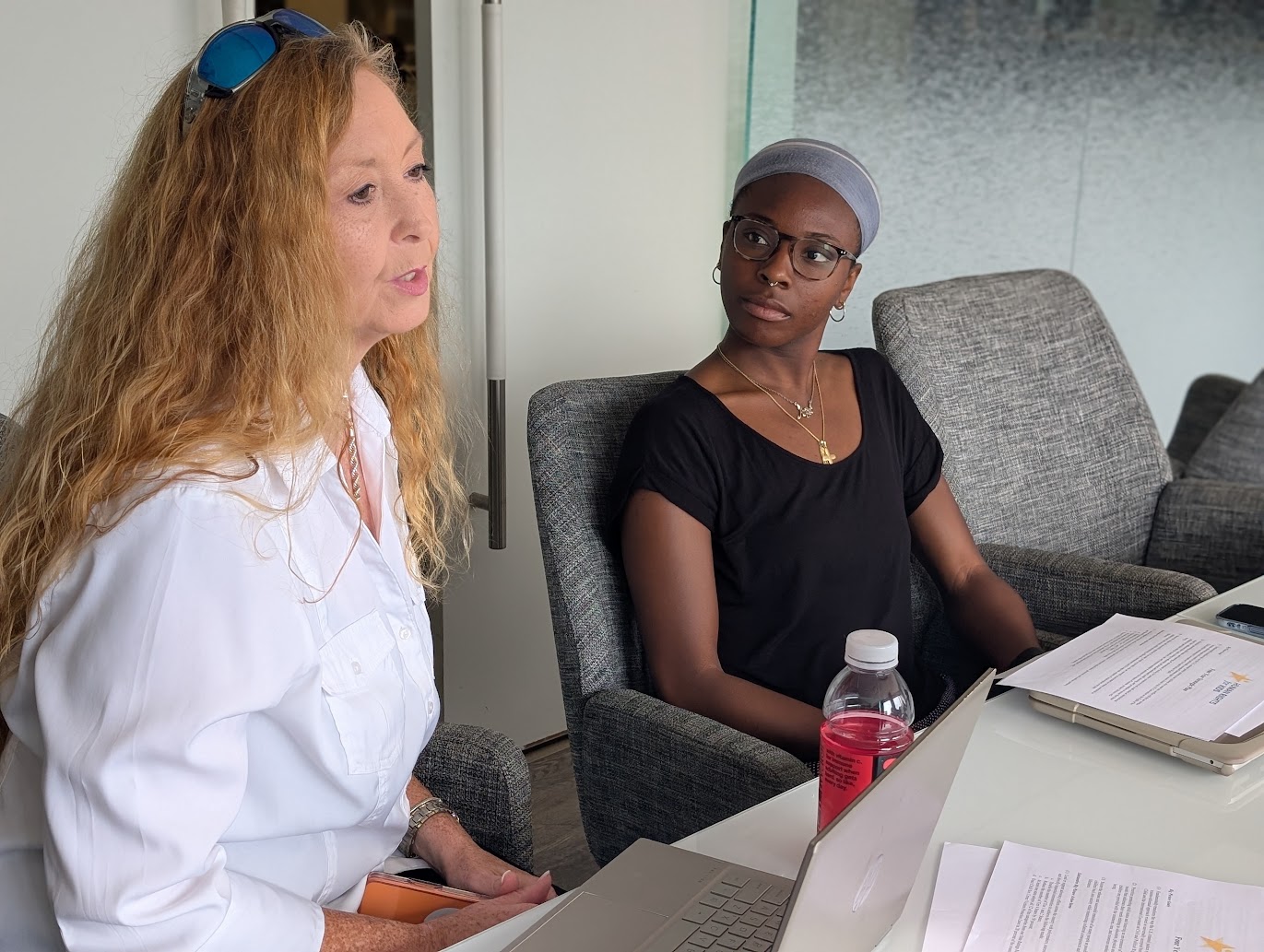
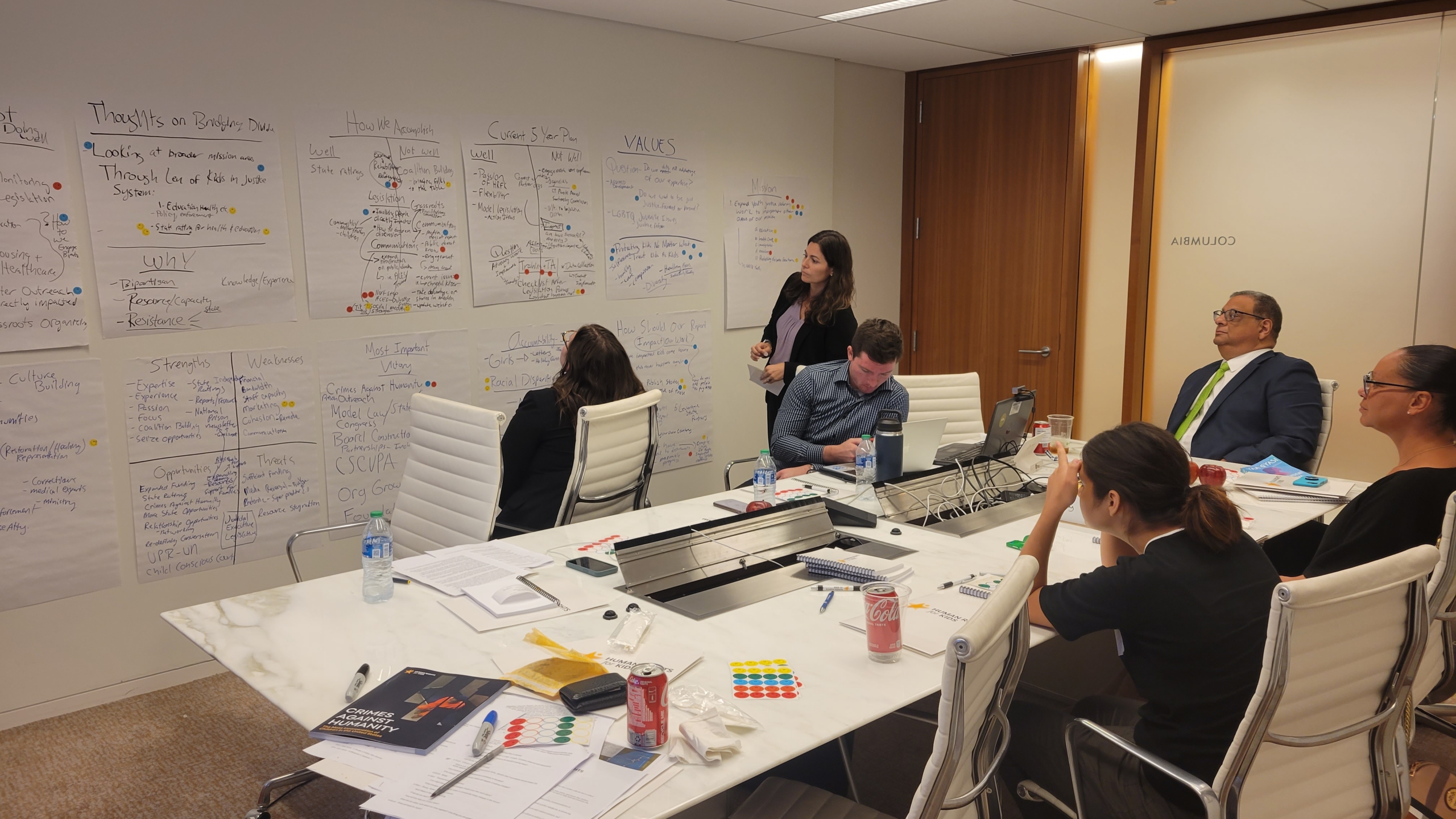
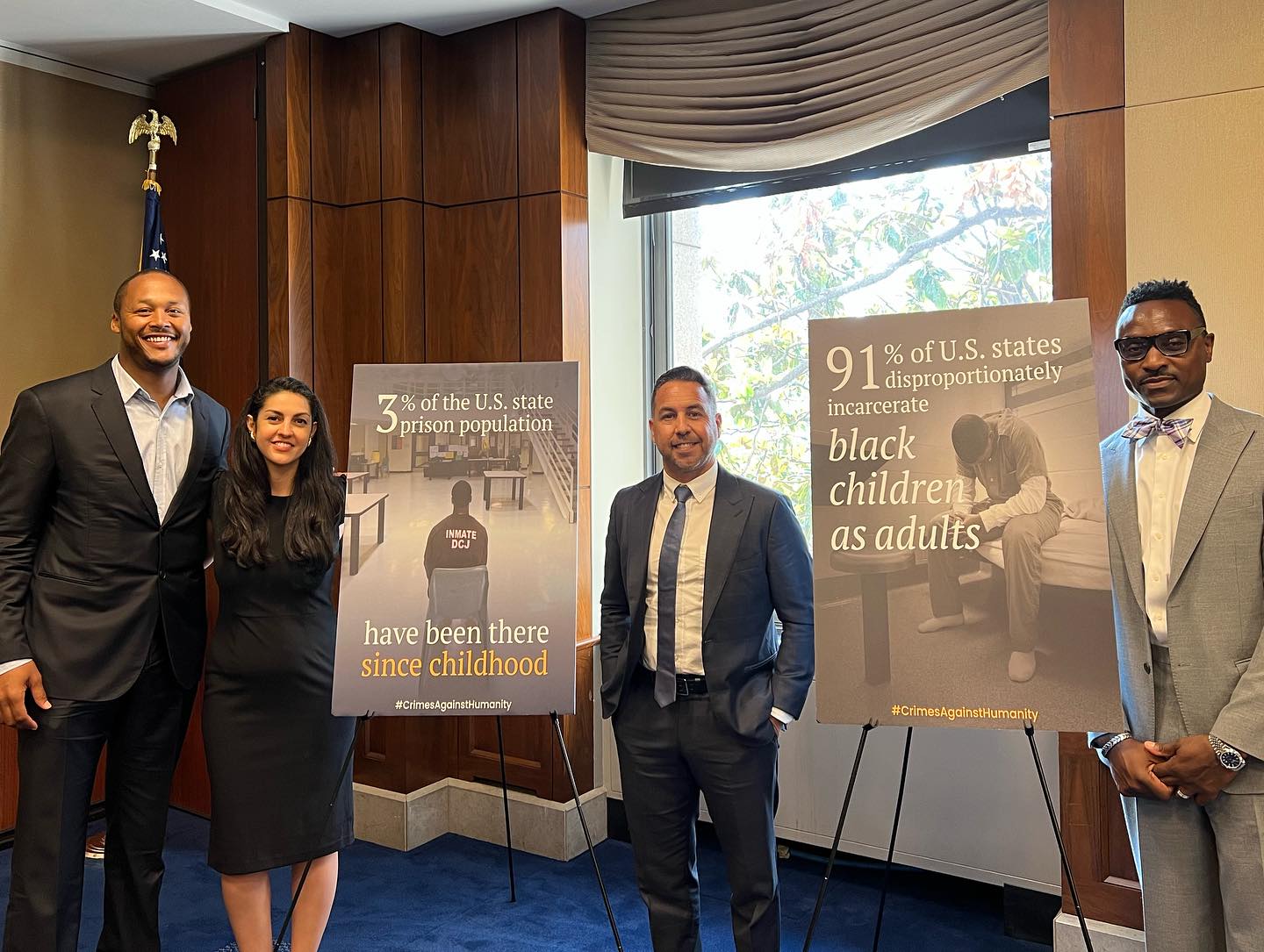
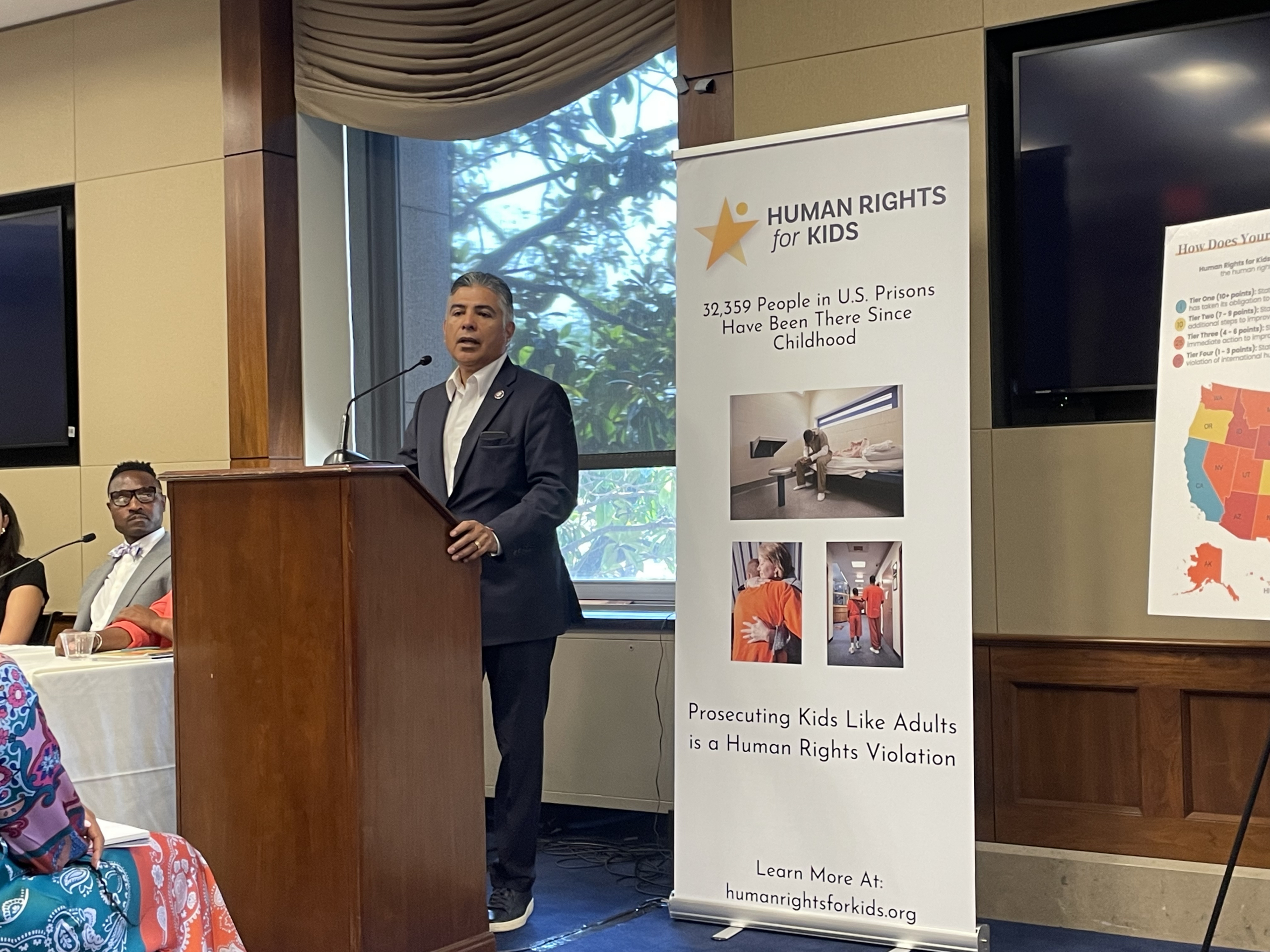
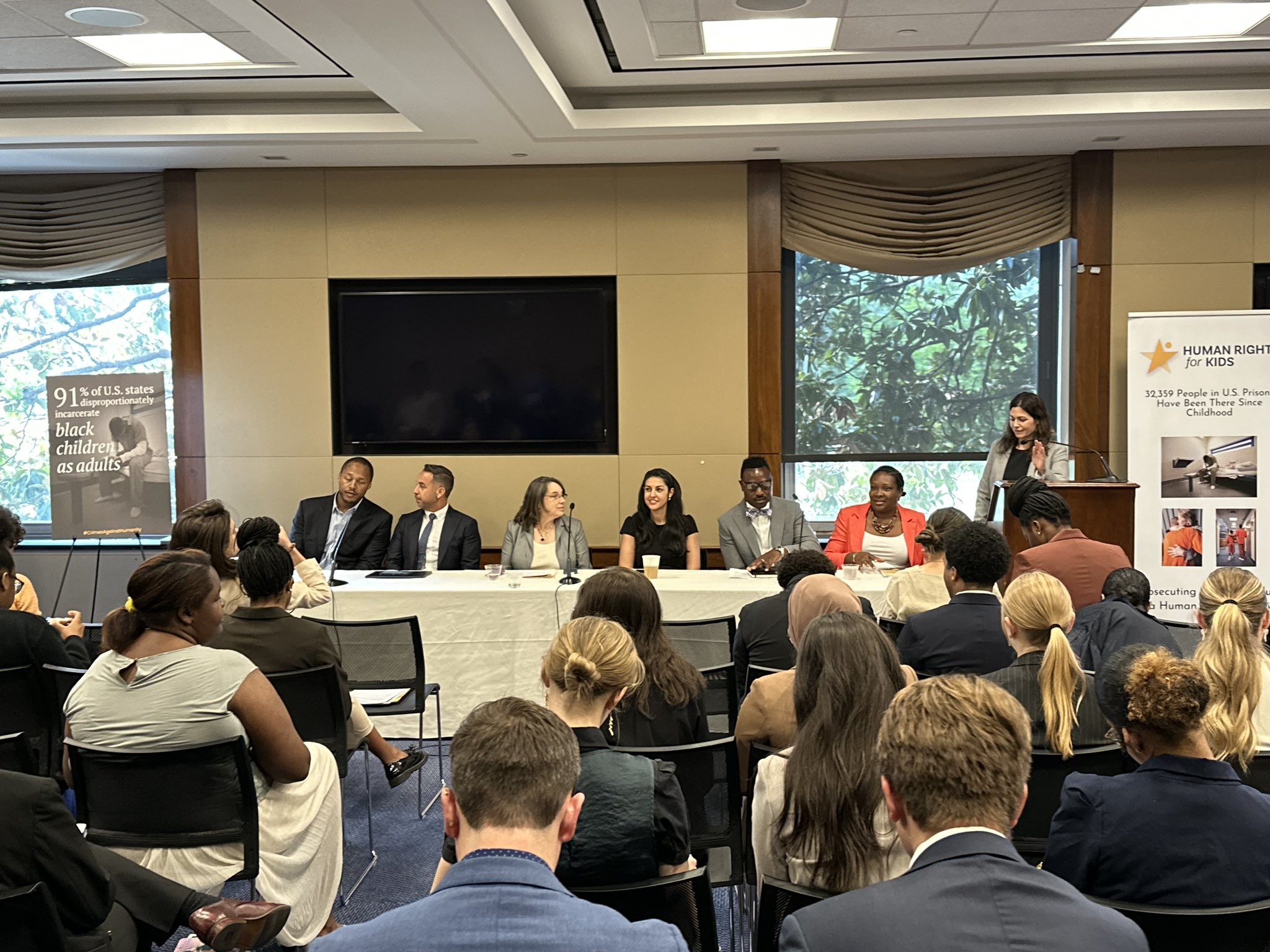
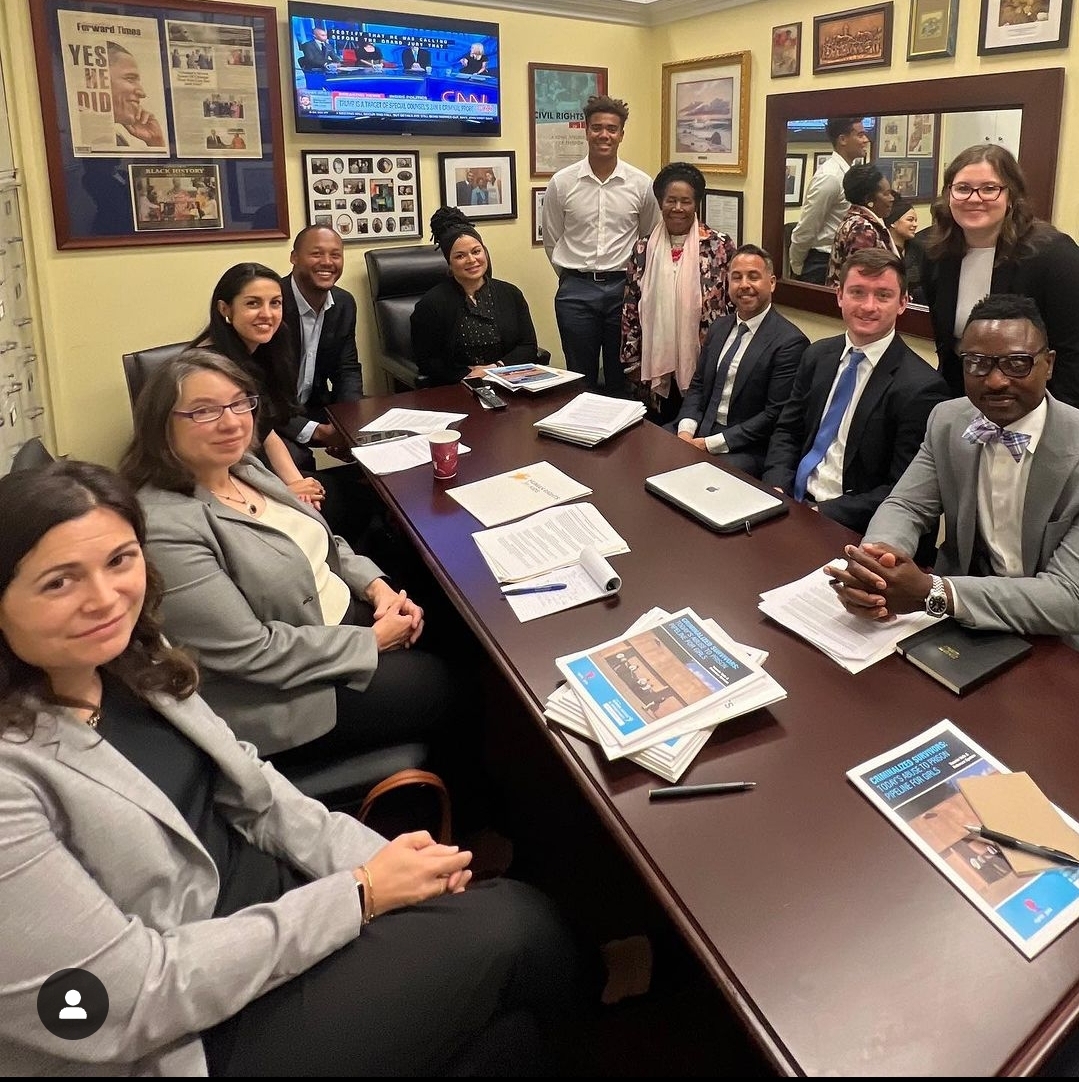
HRFK’s Crimes Against Humanity: The Mass Incarceration of Children in the United States documented the enormous scale of America’s continued incarceration of people for conduct committed during childhood.
Our research has found tens of thousands of people serving prison sentences for offenses committed when they were children—including people who entered the justice system at ages when they were still subject to compulsory school and truancy laws.
Our State Ratings Reports build on this work by evaluating every state against fundamental human rights protections for children.
Together, these publications allow policymakers and the public to see not merely isolated injustices, but the larger national system that produces them.
We then use that evidence to change it.
Children who experience sex trafficking, labor trafficking, sexual abuse, domestic violence, and other forms of exploitation can be coerced into criminal conduct or may commit offenses directly connected to their victimization.
Yet the justice system has historically separated those two realities—recognizing a child as a victim in one setting while prosecuting that same child as an adult in another.
HRFK is working to change that.
Our research into trafficking and forced criminality documents the experiences of children whose exploitation preceded their involvement in the justice system. We use those findings to educate policymakers, train attorneys, advance legislation, and advocate for legal protections that recognize the connection between victimization and criminalized conduct.
The principle is straightforward:
Children should not receive the harshest punishments our legal system can impose without considering what happened to them, how they were exploited, and the circumstances that shaped their actions.
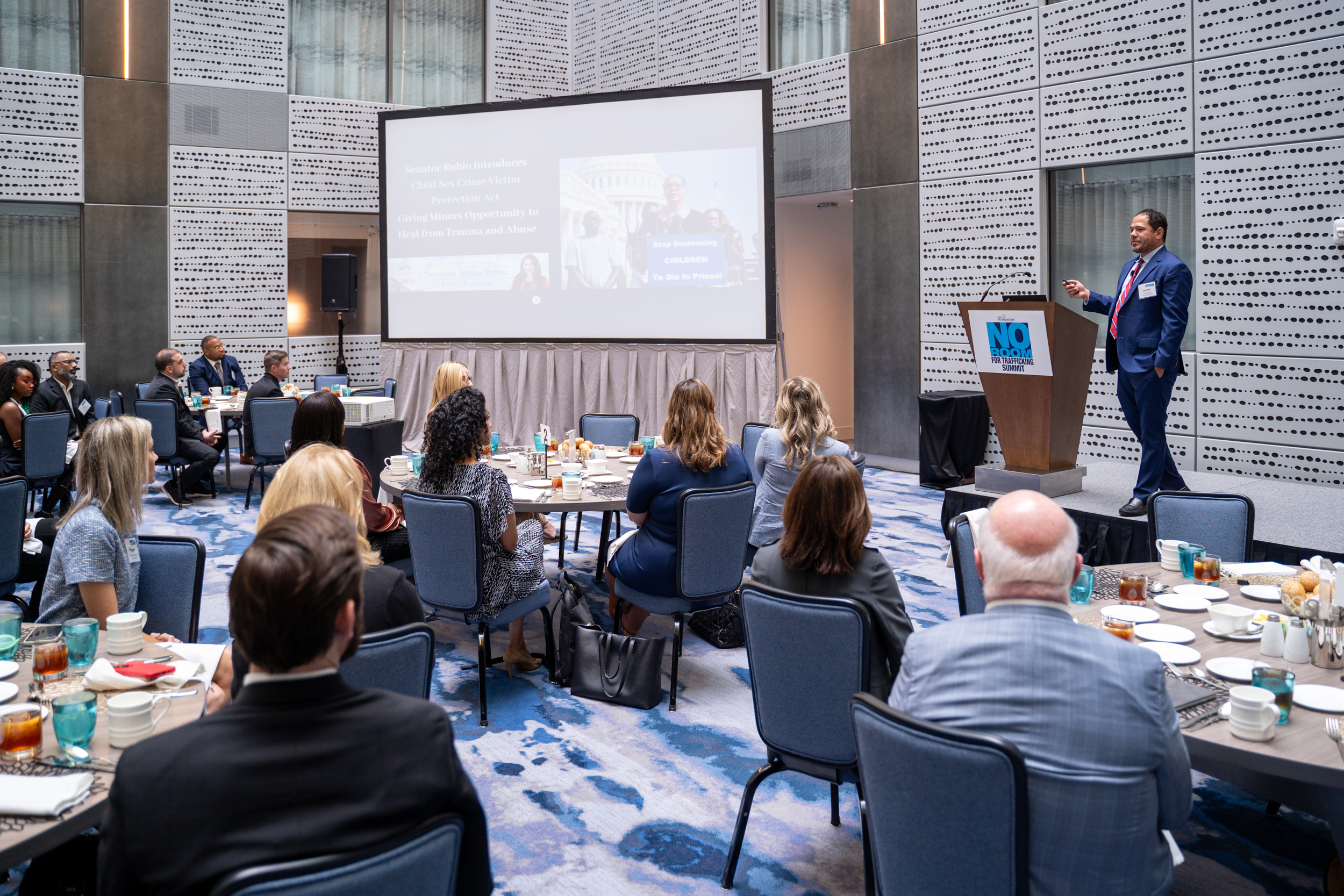
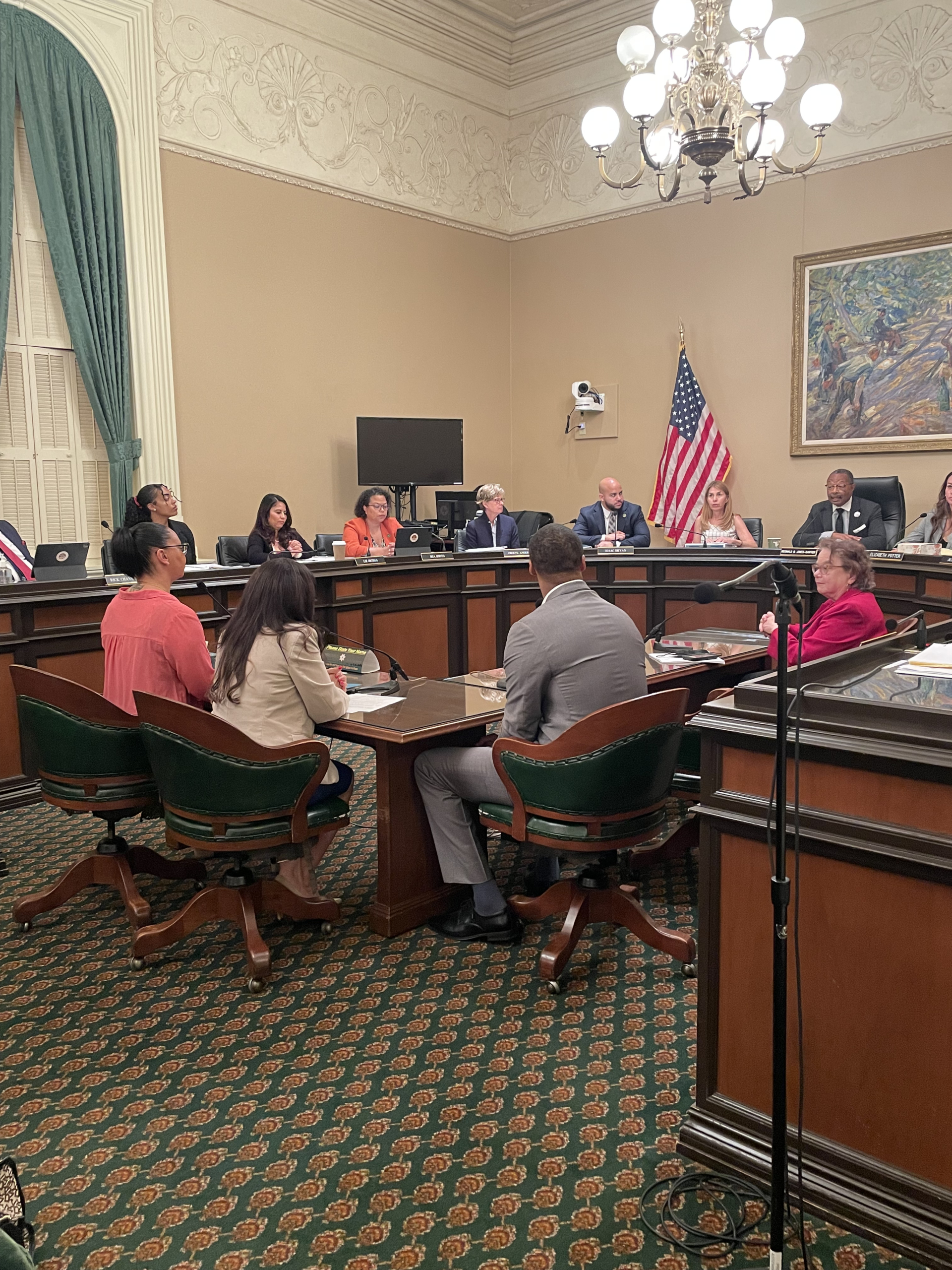
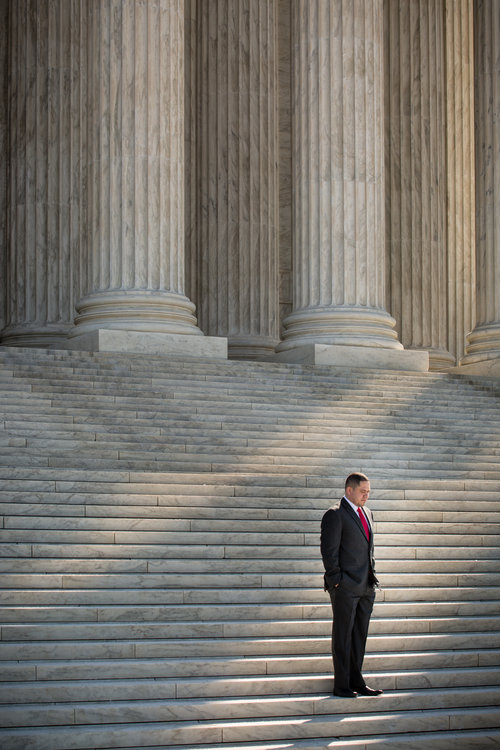
Legislatures are not the only institutions capable of transforming children’s rights.
Courts play an equally critical role.
Through strategic litigation and amicus advocacy, HRFK brings expertise in childhood development, trauma, human rights, and youth justice before courts considering cases with potentially far-reaching consequences.
Our briefs have addressed issues including extreme sentencing, due process, equal protection, the constitutional rights of children, the relevance of childhood status and trauma, and legal protections for survivors of childhood sexual abuse.
We seek not only justice in individual cases, but legal precedents capable of protecting thousands of children and survivors who may never enter the courtroom themselves.
Children’s rights are human rights.
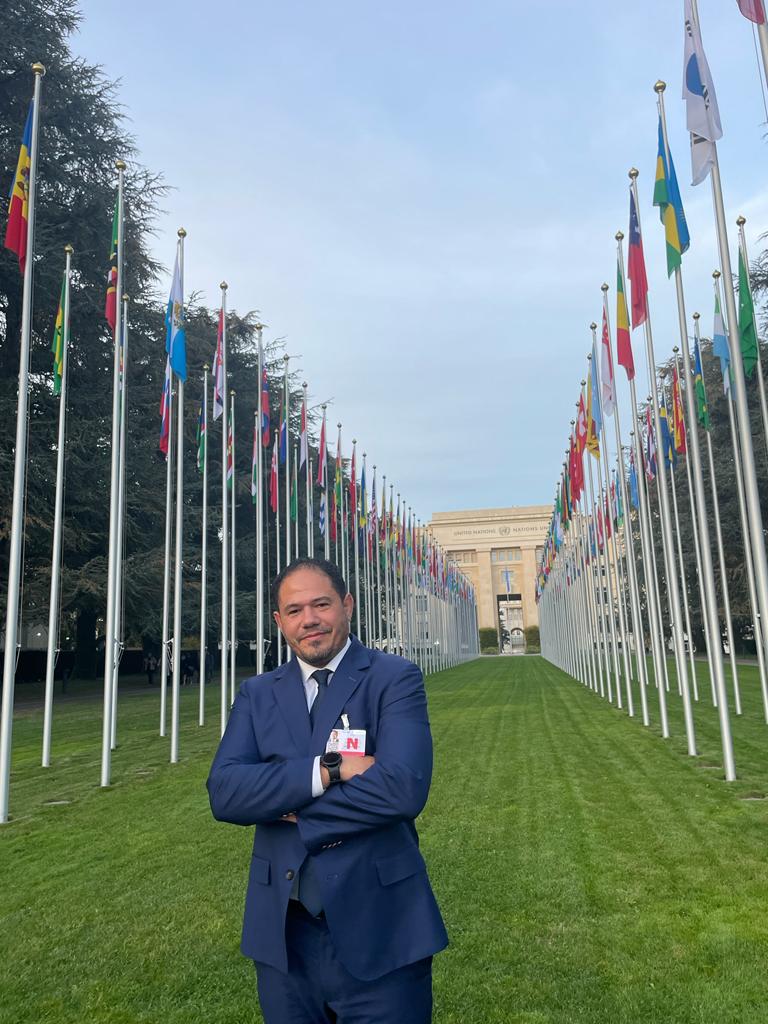
HRFK uses international human rights principles to measure America’s treatment of children against standards recognized throughout the world.
We have submitted reports to the United Nations documenting human rights violations against children in the United States and have worked to bring international attention to practices including extreme sentencing, adult prosecution and incarceration, racial disparities, and the failure to adequately account for children’s developmental status.
Our work is guided in significant part by the principles embodied in the U.N. Convention on the Rights of the Child: that children deserve special protection because of their age and developmental status, that their best interests should be a primary consideration in decisions affecting them, and that incarceration should be used only as a measure of last resort.
Our mission is to bring those principles home.
HRFK’s work is built around a fundamental shift in how America understands children who come into conflict with the law.
Instead of asking only:
“What did this child do?”
We ask:
“What happened to this child?”
And then:
“What does this child need to heal, grow, and succeed?”
Those questions do not eliminate accountability. They create a developmentally appropriate and evidence-based form of accountability—one that recognizes children’s extraordinary capacity for change.
Every piece of our work advances that transformation.
Research identifies the problem.
Survivors and directly impacted people tell us what needs to change.
Public education changes the narrative.
Coalitions build power.
Legislation changes policy.
Litigation protects rights.
Implementation turns reform into reality.
This integrated approach allows us to move from individual injustice to systemic change.
We have helped change dozens of laws.
But millions of children still live in states where the law allows them to be prosecuted as adults, subjected to extreme sentences, incarcerated in harmful conditions, or punished without meaningful consideration of their age, trauma, victimization, or capacity for rehabilitation.
There is much more work to do.
Our vision is an America where no child’s future is determined by the worst moment of their childhood.
An America where children who experience abuse and exploitation receive protection instead of punishment.
Where courts recognize that childhood matters.
Where justice includes the possibility of redemption.
And where every child is treated with the dignity and humanity they deserve.
Every law we change can affect thousands of lives.
Every court victory can establish protections that last for generations.
Every report can change the way policymakers understand children.
And every person who joins this movement brings us closer to a justice system that recognizes one fundamental truth:
Every child is more than the worst thing they have ever done.